
Last updated November 22, 2026
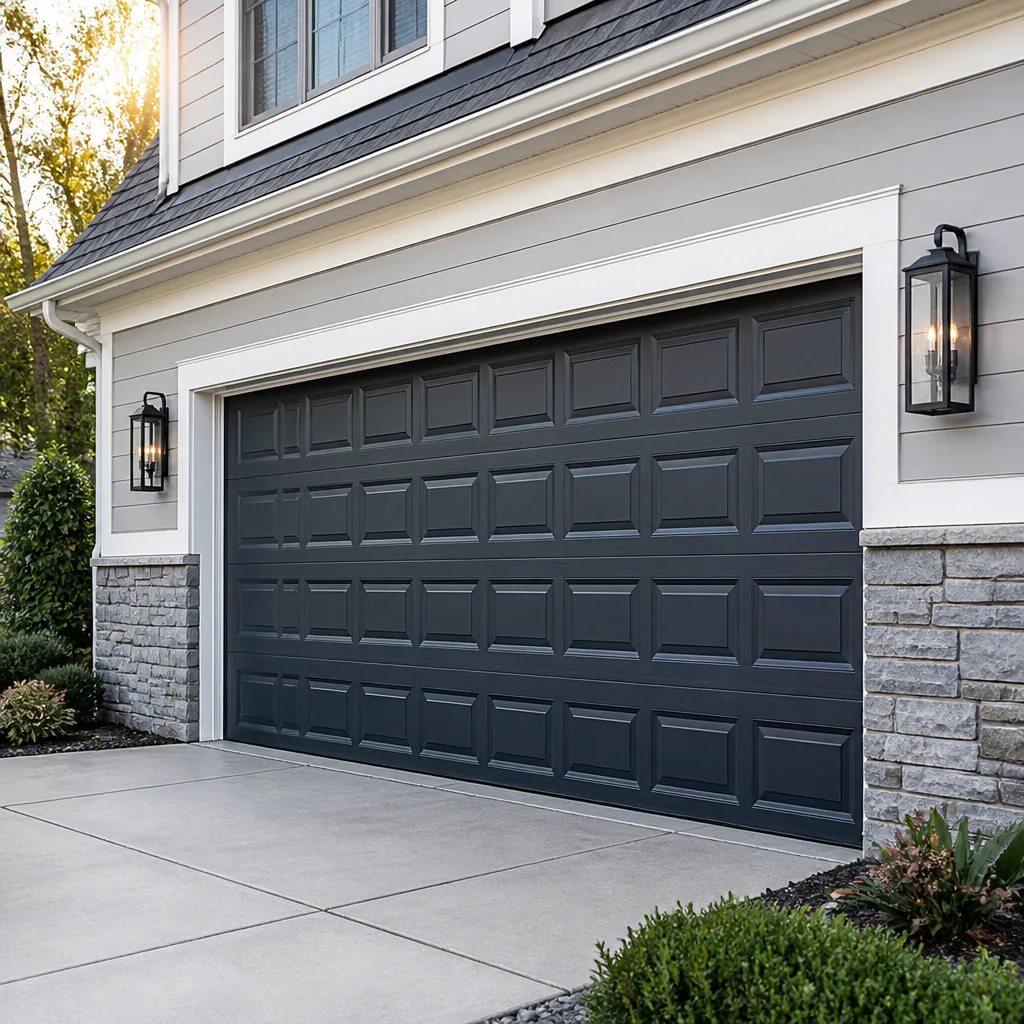 Raised-panel steel
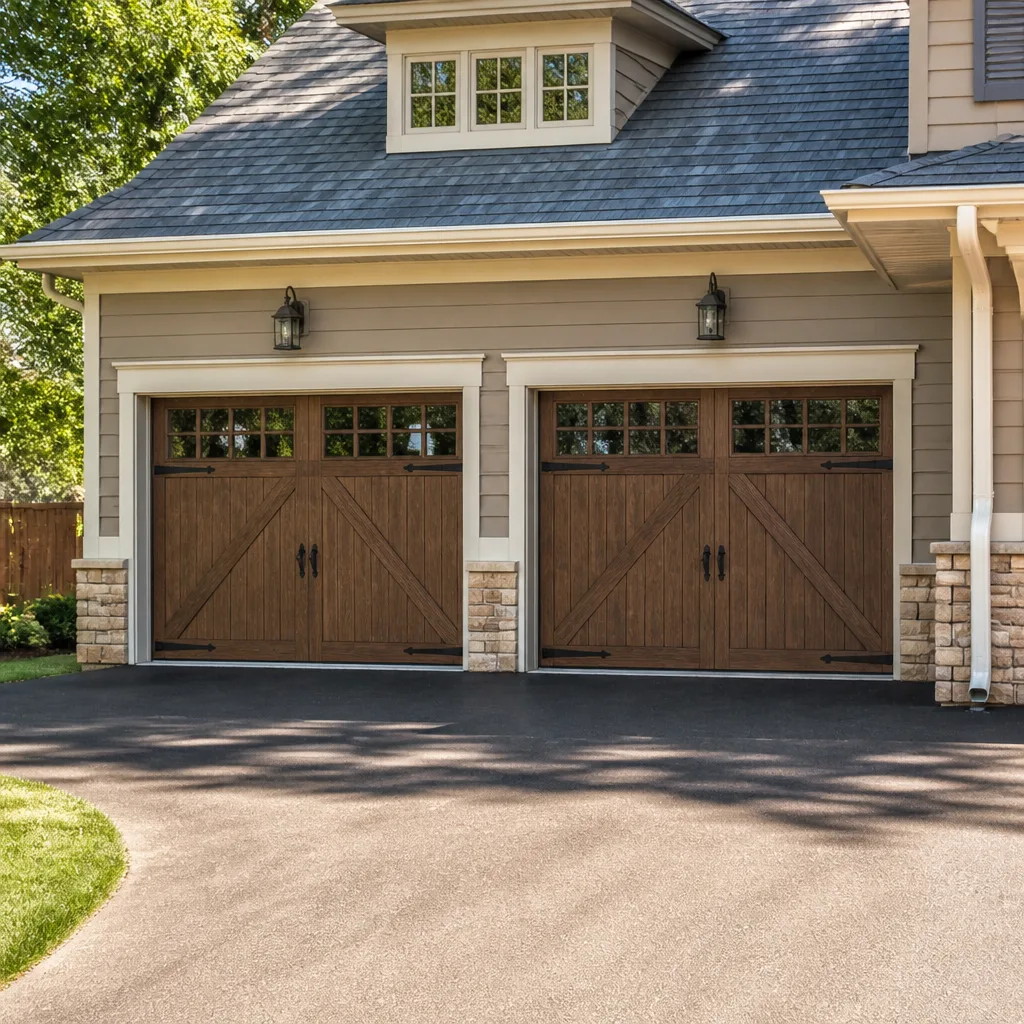 Carriage house
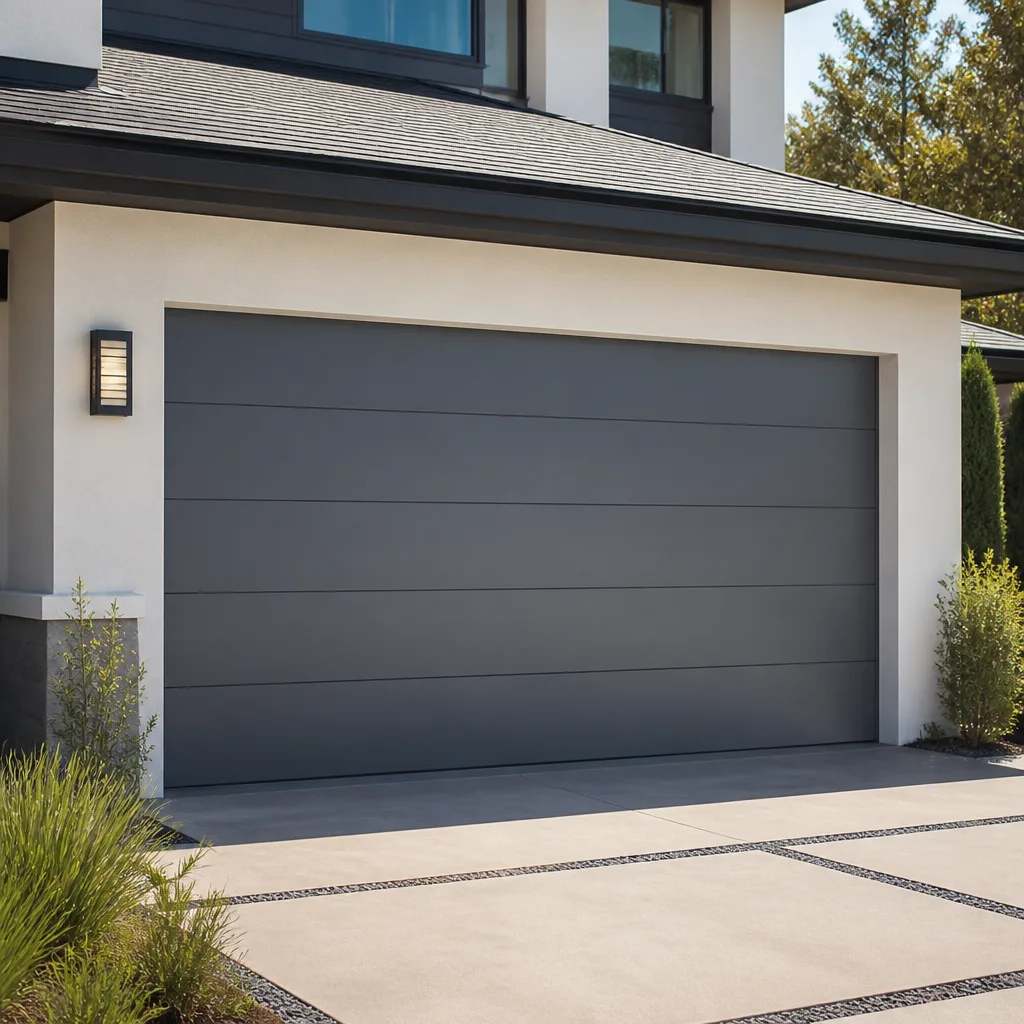 Modern flush
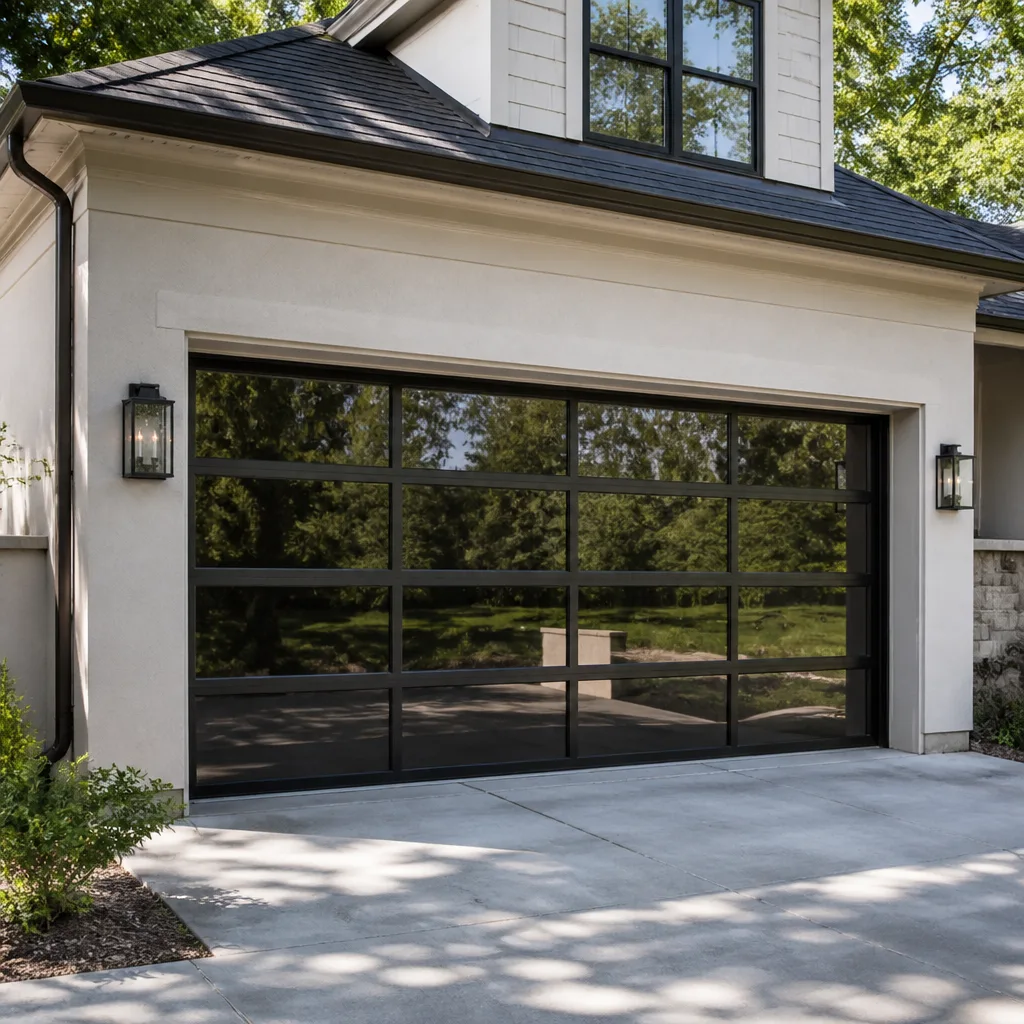 Full-view glass
 LiftMaster openers
 Chamberlain openers
Full 25-point door and opener safety check with every visit - springs, cables, rollers, tracks, and your LiftMaster or Chamberlain opener included
You get a price before we start. It does not change when the pro arrives.
Get your free estimateGarage Door Repair Maintenance Checklist for Newport News Homeowners
Most garage door checklists online recycle the same ten generic items. Ours starts somewhere else. The number-one source of preventable failures we see in Newport News isn’t a snapped spring or a dead opener. It’s corroded bottom seal hardware that homeowners walk past every single day and never recognize as a problem until the door stops sealing, the track starts to bind, or water finds its way in. This guide ranks the checks that actually matter by how often they fail in Newport News homes and how much the repair runs when they do. You’ll get a real inspection order, the lubrication products that survive Virginia humidity, the five-second balance test, and the documentation habit that protects your warranty and your insurance claim.
Quick Answer
A practical garage door maintenance checklist for Newport News homes means four things done quarterly and once before storm season: inspect the bottom seal and weatherstripping, lubricate moving parts with a humidity-resistant product, run the balance and reversal tests, and log what you find in a simple maintenance notebook. The items most likely to fail here are bottom seal hardware, rollers and hinges, and the opener’s force and travel settings, in that order. Spring and cable components are inspection-only for a homeowner; leave those adjustments to a trained technician.
Styles & brands we work with
- Raised-panel steel
- Carriage house
- Modern flush
- Full-view glass
- LiftMaster openers
- Chamberlain openers
Table of Contents
- Ranked Checklist: What Actually Fails First in Newport News
- The Bottom Seal and Weatherstripping Inspection
- Lubrication That Holds Up in Virginia Humidity
- The Five-Second Balance Test
- Storm-Season Readiness Before Hurricane Season
- Opener Settings and Safety Reversal Checks
- Keeping a Maintenance Log That Protects You
- How Often to Do Each Check
Ranked Checklist: What Actually Fails First in Newport News
Here’s the order we’d put these checks in if we were standing in your driveway. It reflects how often each failure shows up in Newport News service work, weighted by what it costs to fix once something breaks. Work top to bottom on a quarterly basis.
- Bottom seal and weatherstripping. The most frequent preventable failure. A worn seal lets water, grit and insects under the door and rusts the bottom hardware.
- Rollers and hinges. Friction points. When they dry out or seize, the opener overworks and the door gets louder and harder to lift.
- Opener force and travel settings. These drift out of adjustment. Off-spec settings shorten the opener’s life and defeat the safety reversal.
- Track alignment and mounting hardware. Loose brackets and bent track come next. They stress every other part on the door.
- Cables and springs. Inspection only. These fail less often than the items above but cause the most dramatic problems when they do.
- Balance and panel condition. The least frequent issue in newer doors, but the check that catches a slowly developing imbalance early.
Print it. Tape it inside the garage. That single list replaces whatever generic maintenance checklist you’ve been meaning to get to. Newport News garages deal with a lot: hot, humid summers and a long storm season that punishes anything that isn’t sealed and lubricated properly. The ranked order above accounts for both.
The Bottom Seal and Weatherstripping Inspection
Walk to your door, close it, and look at the line where the bottom of the door meets the floor. If you can see daylight anywhere along that line, the seal has failed. That gap is where your winter heating budget and your driveway’s rainwater both go.
The bottom seal is a rubber or vinyl strip that rides inside an aluminum or steel retainer at the base of the door. Over time it hardens, cracks, or tears away from the retainer. When the strip goes, the retainer itself gets exposed to moisture, and the screws holding it rust. That’s the failure chain almost nobody watches for, and it’s the one we see most.
How to check the bottom seal
- The paper test: close the door on a piece of paper. If you can slide it out with no resistance, the seal has lost its grip.
- Sight check: look for cracks, splits, or sections missing from the rubber strip.
- Hardware check: run a finger along the aluminum retainer looking for rust streaks or missing screws.
- Weatherstripping check: same thing on the sides and top. Feel for gaps, flapping vinyl, or a frame seal that’s pulled loose.
A worn bottom seal is cheap to replace on its own. Left alone, it rusts the retainer and the bottom panel. Then you’re into panel and hardware repair, which is a different budget. If your seal is past saving, our garage door repair team can replace it or tell you whether the whole door needs attention. Newport News residents on the peninsula deal with heavy summer rain that finds every gap. Sealing now beats repairing later.
Lubrication That Holds Up in Virginia Humidity
Not all garage door lubricants are equal, and in this climate the wrong product is worse than none. Peninsula summers sit in the 70s and 80s with high humidity for weeks on end. Products that work fine in dry climates turn into grit collectors here. That grit grinds rollers and hinges and accelerates exactly the wear you were trying to prevent.
What to use
- White lithium grease on the hinges, rollers, and the torsion spring if you’re comfortable reaching it. It thickens in cold weather but handles humidity well.
- Silicone spray on the tracks themselves and on the rubber seals. It stays slick without attracting dirt.
- Purpose-made garage door lubricant in a spray can: formulated to be humidity-resistant, sticks to the metal, and won’t drip in the heat.
What not to use
- WD-40 as a lubricant. It’s a solvent and water displacer, not a long-term lubricant. It strips existing grease and leaves metal dry.
- Motor oil. Runs off in the heat and pools in the driveway.
- Petroleum jelly or general grease. Attracts grit in this climate. Turns your tracks into a grinding compound.
Apply lithium or the purpose-made product to every hinge pivot and roller bearing. Spray the tracks lightly with silicone and wipe the excess off. Do this quarterly. If your door already has a Clopay or Wayne Dalton hardware set with sealed roller bearings, check the manufacturer’s recommendation on the label, because sealed bearings need less. Our garage door opener repair specialists can tell you what your specific setup wants if you’re unsure.
The Five-Second Balance Test
This is the single most useful test a homeowner can run. It’s fast, it takes nothing but a hand, and the results tell you whether your door’s springs are doing their job.
How to run it
- Disconnect the opener by pulling the red manual release handle. The door is now free to move by hand.
- Lift the door by hand to about waist height. It should feel light: a properly balanced door lifts with one finger.
- Stop it roughly halfway open and let go. Let it sit for five seconds.
- Watch what the door does.
Reading the results
- Stays put. Springs are balanced. You’re good.
- Slides down on its own. Springs have lost tension or one has broken. Action needed: a spring repair is not a DIY job, and we’ll explain why below.
- Rolls up by itself. Springs are over-tensioned. Also needs a technician.
- Feels heavy anywhere in the lift. Same diagnosis: the springs need attention.
Reconnect the opener after the test. Do this quarterly and right before storm season. Newport News homeowners often call us describing a door that “just started feeling heavy.” Nine times out of ten the balance test would have flagged it weeks earlier. A spring that’s just starting to fail is safer and cheaper to deal with than one that’s completely broken.
One warning about springs and cables
A garage door spring under tension stores enough energy to injure someone seriously. Cables are under tension too. We’re not going to give you step-by-step instructions for adjusting either one, because we don’t want to be the reason someone gets hurt. Inspection, yes. Repair, no. Bring a trained technician in for anything that touches the spring, the cables, or the torsion tube.
Storm-Season Readiness Before Hurricane Season
Atlantic hurricane season runs from June through November, and while Newport News gets most of its wind from the outer bands rather than direct hits, the storm season is when garage door failures matter most. A door that won’t close during a storm event is a problem. A door that isn’t sealed is a problem the rest of the year. The pre-season walkthrough catches both.
The pre-season checklist
- Seal check at the floor and frame. Run the paper test again. Look for daylight at the bottom, sides, and top of the closed door.
- Fastener check. Look at the brackets where the track attaches to the frame. Loose screws here are common after a long season of thermal movement, and storm-season wind loads find them.
- Panel inspection. Walk both sides of the door and look for bent, rusted, or loose hinges. A panel that’s started to crack is vulnerable to wind.
- Balance test. Same test, same procedure. Catches a failing spring before it fails completely.
- Opener reversal test. Place a solid object in the door’s path and run the door down. It should reverse on contact without pinching the object. If not, the safety system needs attention.
- Manual release check. Make sure the red release handle actually disengages the door. In a storm-related power outage, this is how you get your car out.
If you find anything in that list that’s a “no”, call before the season rather than during it. Newport News storm repair demand spikes when a system is in the forecast. Our Newport News Garage Door Repair Pros team handles everything from a quick seal replacement to a full door install if yours is past its date. Pre-season planning is cheaper and faster than reactive work.
Opener Settings and Safety Reversal Checks
Your opener carries its own set of force and travel settings that you can and should check. These drift over time. When they’re off, the door may not close fully, or it may push through an obstacle that should have stopped it.
What to check on your opener
- Force settings. The opener has a sensitivity to resistance. Too sensitive and the door reverses on the smallest thing; too loose and the safety feature is defeated. Newer LiftMaster and Chamberlain units often use a simple dial or a menu on the control panel.
- Travel limits. The door should reach the floor and stop, and reach the open position and stop, without straining. If the door has changed position recently, the limits need resetting.
- The safety eye test. The two small sensors at the base of the track must be aligned. Wave your hand between them with the door on its way down. It should reverse. If it doesn’t, the sensor or its wiring is the problem.
- The force reversal test. A firm hand under the door as it closes should stop and reverse it.
Most opener problems we see fall into three categories: misaligned safety sensors, a worn drive gear, or a control board that’s stopped responding to the remote. The first is homeowner-resolvable. The other two need someone who knows the brand. We service LiftMaster, Chamberlain, Genie, and Craftsman openers, so the unit already on your ceiling is one we’re trained to work on, and our garage door installation service handles a full replacement if the opener is past saving. If your unit is a LiftMaster or Genie specifically, the brand-specific service path runs through those parts. We also work on Raynor.
Keeping a Maintenance Log That Protects You
A maintenance log is a notebook. That’s it. But in our experience, it’s the documentation that decides a warranty claim or an insurance conversation.
Manufacturers and warranty administrators want to know what was done and when. If your door has a Clopay or Amarr panel that failed prematurely, the first question is whether the door was maintained as recommended. A log with dated entries of seal replacements, lubrication dates, and balance test results answers that question in seconds. Without it, you’re relying on memory.
Insurance adjusters similarly look for a record of upkeep when a claim involves storm or impact damage. A log showing the door was in good condition and properly maintained supports your position.
What to log
- Date and the check performed
- Anything that looked worn, plus a photo (take it with your phone)
- Parts replaced, brand, and date
- Balance test result and any adjustment the technician made
- Service company name and invoice number for any professional work
Keep the log in the garage or take a photo of each page and keep it in a folder on your phone. It’s the one habit on this list that costs nothing and saves real money when you need it. It’s also the fastest way to tell a professional what’s been happening. Our technicians have up to 11 years of experience, and they’ll tell you the same thing: the best-maintained doors are the ones with a stack of notes in the glove box.
How Often to Do Each Check
Here’s the cadence. Print it, put it on the wall beside the ranked checklist, and follow it without overthinking it.
- Quarterly: balance test, lubrication, seal paper test, opener reversal test, visual inspection of hinges and rollers.
- Before storm season (early spring): the full pre-season list above.
- Before winter: repeat the seal inspection and re-lubricate. Cold weather stiffens rubber seals and makes friction problems worse.
- Annually: bring a technician in for a full inspection, especially if the door is older or has any panel seams that look tired.
- Whenever something feels different: louder, heavier, rougher, slower. A change in sound or feel is a signal.
Most of this takes 15 minutes and costs nothing. The checks that need real tools (springs, cables, opener internals) are where a professional’s time pays for itself. If you’ve never had a professional look at your door, a free estimate will tell you where it stands. Newport News homeowners with older doors in the Hilton and Riverside areas often find they’re one seal replacement away from another five years.
Common Mistakes to Avoid
- Lubricating the tracks with grease. In humid Newport News summers, grease turns your tracks into a dust magnet. Use silicone on the tracks and lithium on the pivots.
- Ignoring the bottom seal until it fails completely. The seal is the cheapest part on the door and the one that protects the most expensive part. Replace it at the first sign of cracking.
- Tightening the spring yourself. This is the one that puts people in the emergency room. Springs and cables are technician-only.
- Skipping the balance test. It takes five seconds and it’s the only homeowner-accessible test that reveals a failing spring early.
- Forgetting the annual technician inspection. Homeowner checks cover perhaps 80% of failures. A trained eye catches the rest.
- Throwing away the receipt and forgetting the date. Without a log, warranty claims get harder. Keep it simple: notebook, dates, photos.
- Assuming a stuck door needs a new door. Most stuck doors need a repair, not a replacement. Ask before you buy.
See the difference
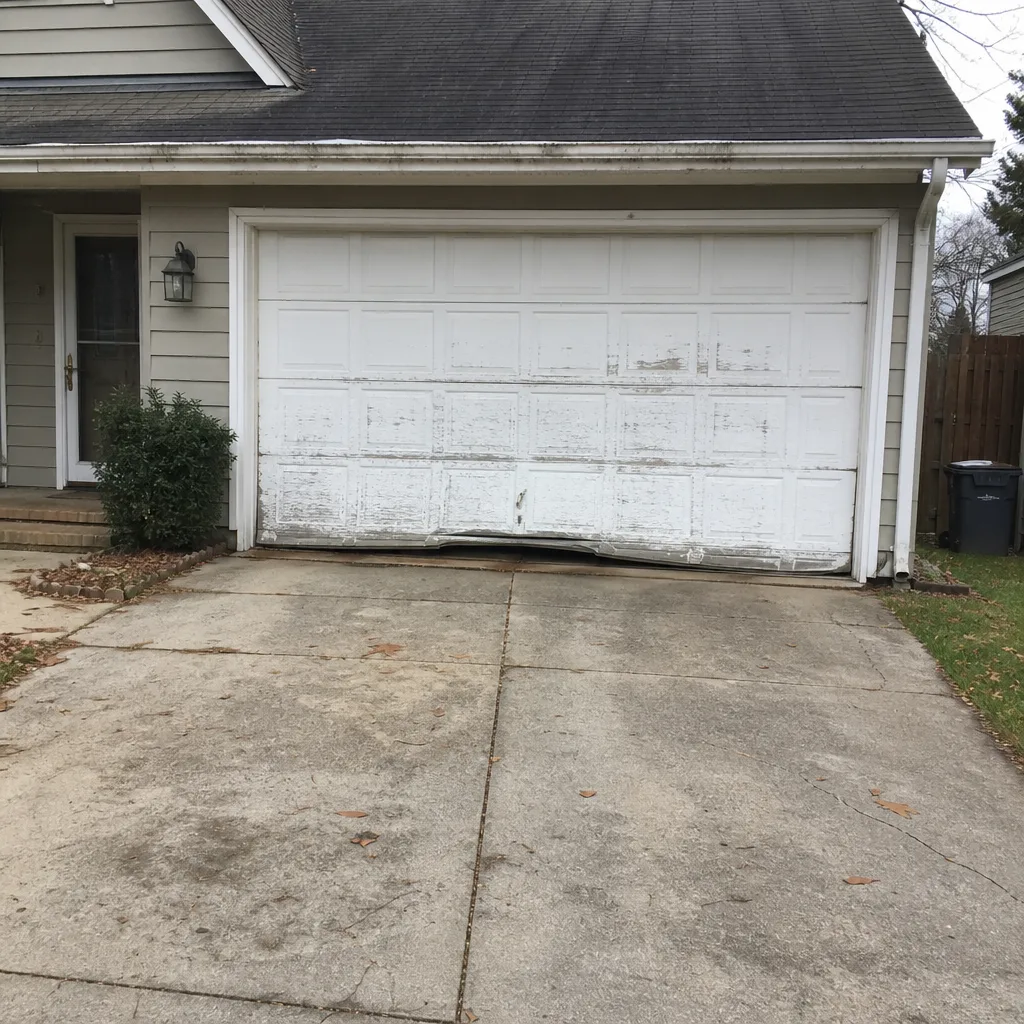 Before
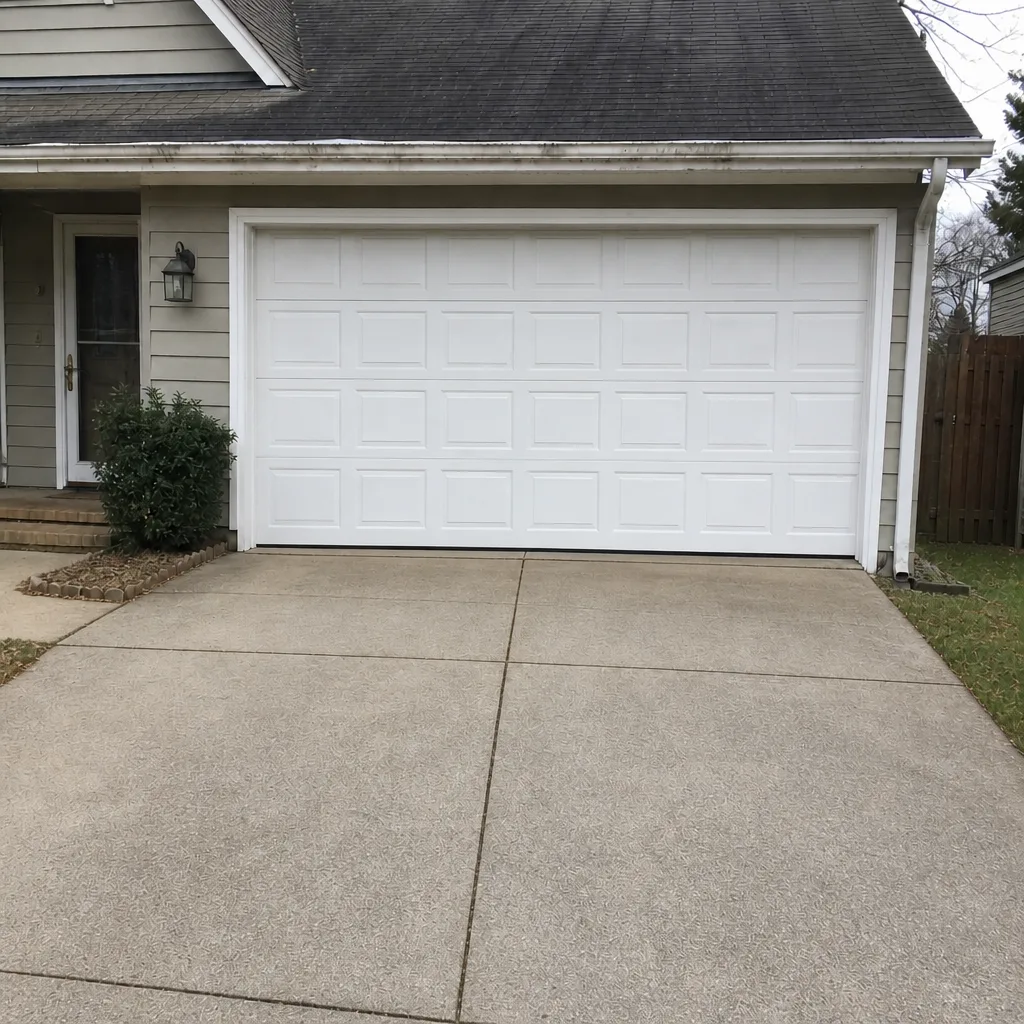 After
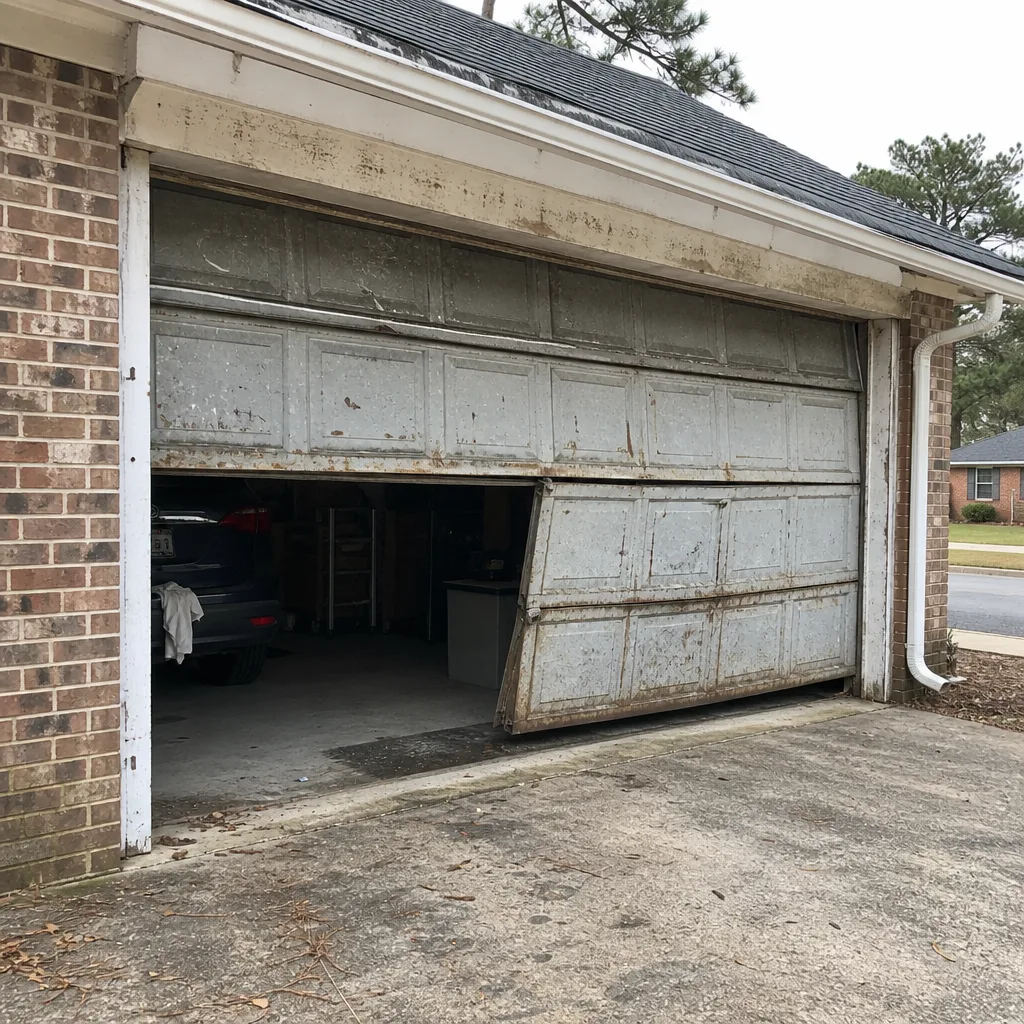 Before
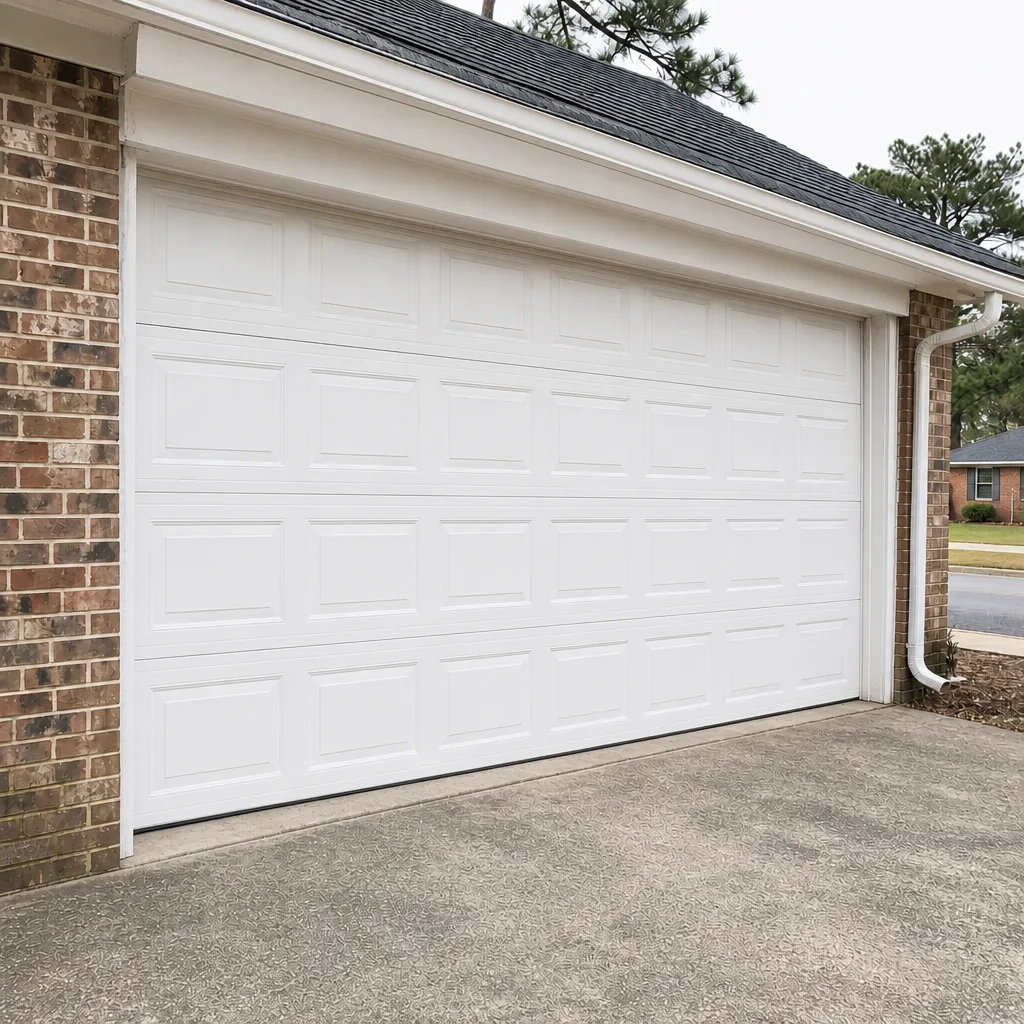 After
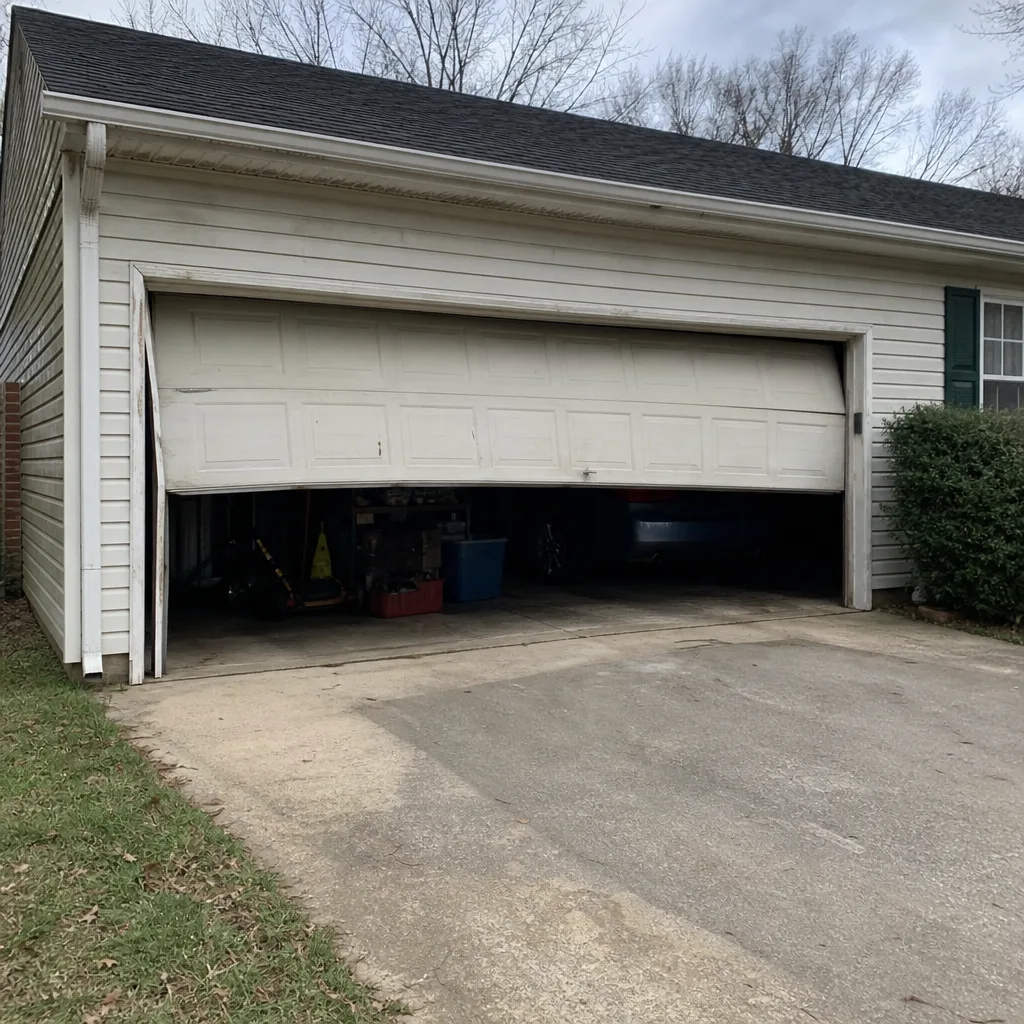 Before
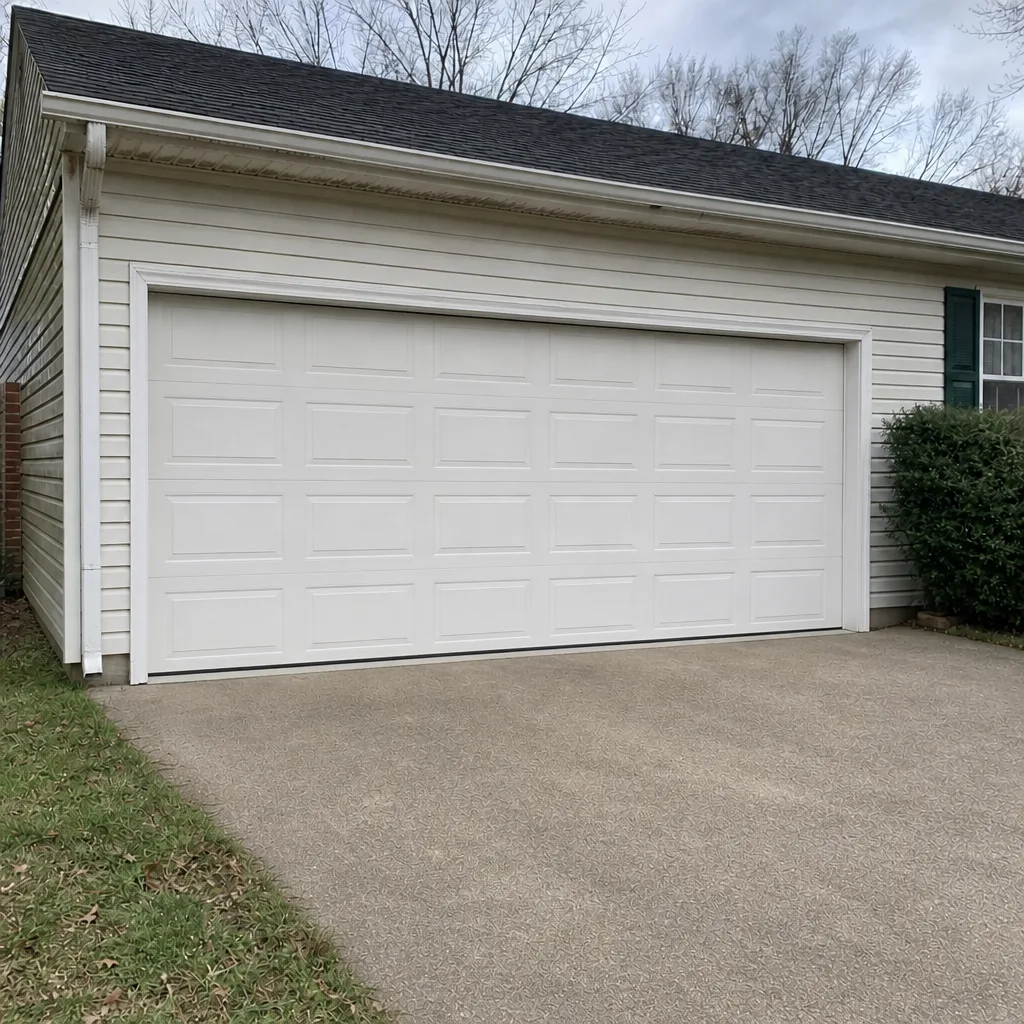 After
When to Call a Professional
Call us when the balance test shows a door that slides down or rolls up on its own. Call when you hear a loud bang from the garage and the door suddenly won’t open. Call when the opener reverses on the smallest resistance or fails the safety eye test. Call when the door is visibly off its track, or when a panel is bent enough that the door won’t close evenly. Call when you can see daylight under the closed door and a fresh seal hasn’t fixed it. Any of these is a sign the door needs more than a homeowner check. Newport News Garage Door Repair Pros offers free estimates in Newport News. Call (833) 508-9227. We answer 24/7, with fast dispatch from 7am to 7pm, Sunday through Friday. We’re closed Saturday, and if you call Saturday we’ll book you for Sunday.
For a broken spring, a failed opener, or a door that won’t close, emergency service is a standing capability, not something we add on. We work on the brand already on your door, not the one we’d prefer to sell. That’s how it should be.
Frequently Asked Questions
Do the homeowner checks quarterly and the full professional inspection once a year. Add a pre-storm-season pass in early spring. The Peninsula’s humid summers and long storm season are harder on seals and hardware than a dry climate, so quarterly is the right cadence, not annual. If your door is older or has some panel wear, a technician inspection twice a year is worth considering. Call (833) 508-9227 for a free estimate if you’re not sure where yours stands.
White lithium grease on hinges, rollers and springs, plus silicone spray on the tracks. Avoid WD-40 as a lubricant, motor oil, and any general grease that attracts grit. In high-humidity months the wrong product is worse than no product because it traps grit and grinds the parts it was supposed to protect. A purpose-made garage door spray is the safest all-around choice if you’re unsure. If you’d rather have a technician handle it, call (833) 508-9227.
It tells you whether your door’s springs are correctly tensioned. Pull the manual release, lift the door to about waist height, let go, and watch for five seconds. A balanced door stays put. A door that slides down needs spring attention; one that rolls up on its own is over-tensioned. Either result means a call to a technician. Call (833) 508-9227 for a free estimate.
No, and this isn’t a liability hedge. A wound torsion spring stores enough energy to cause serious injury, and the cables are under tension too. We don’t publish step-by-step instructions for spring adjustment because we don’t want to be the reason someone gets hurt. A trained technician with the right winding bars handles it safely and quickly. Our garage door opener repair team also handles the opener end of the job if the spring failure damaged the unit. Call (833) 508-9227.
Work the pre-season list: seal check, fastener check, balance test, opener reversal test, panel inspection, and manual release check. Do it in April or May, before the season ramps up in June. Any failed item is cheaper to fix pre-season than after a storm. Call (833) 508-9227 for a free estimate if anything comes up short.
Yes, if you ever plan to make a warranty or insurance claim. A dated log of what was done, when, and by whom is the documentation a warranty administrator will ask for. It also tells any professional you hire what’s been happening without you having to remember. It costs nothing and it’s the single most overlooked maintenance habit on this list. Call (833) 508-9227 if you want a technician to start the log for you.
The Bottom Line
Your garage door is your home’s largest moving part. In Newport News, the checks that matter most are bottom seal and weatherstripping inspection, humidity-resistant lubrication, the five-second balance test, and a pre-storm-season walkthrough. Do those quarterly, log them, and you’ll catch nearly every preventable failure before it becomes an emergency. Springs and cables stay technician-only. Newport News Garage Door Repair Pros covers repair, opener service, installation, spring repair and emergency response under one roof, working on LiftMaster, Chamberlain, Genie, Clopay, Amarr, Wayne Dalton, Craftsman and Raynor products. Call (833) 508-9227 for a free estimate. We answer 24/7, fast dispatch from 7am to 7pm, Sunday through Friday, closed Saturday.
Written by the team at Newport News Garage Door Repair Pros.