
Last updated November 22, 2026
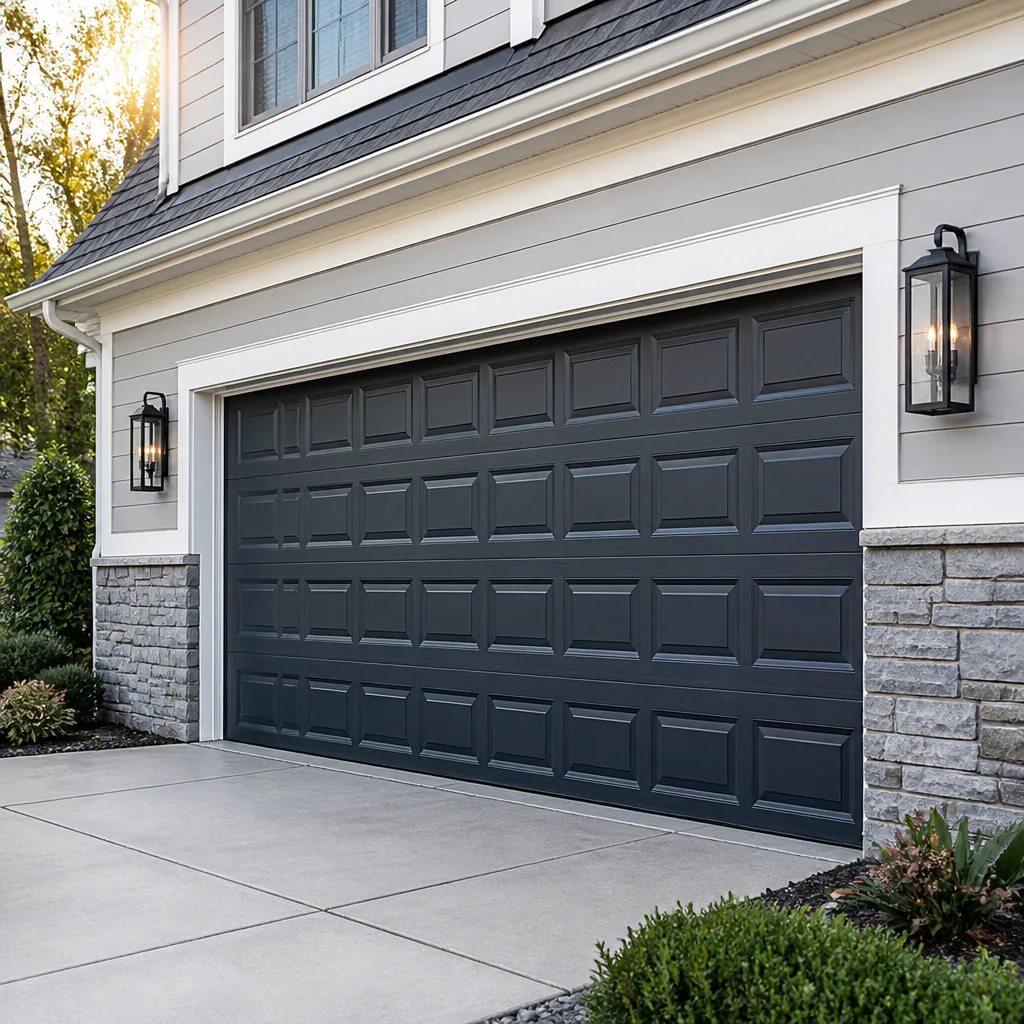 Raised-panel steel
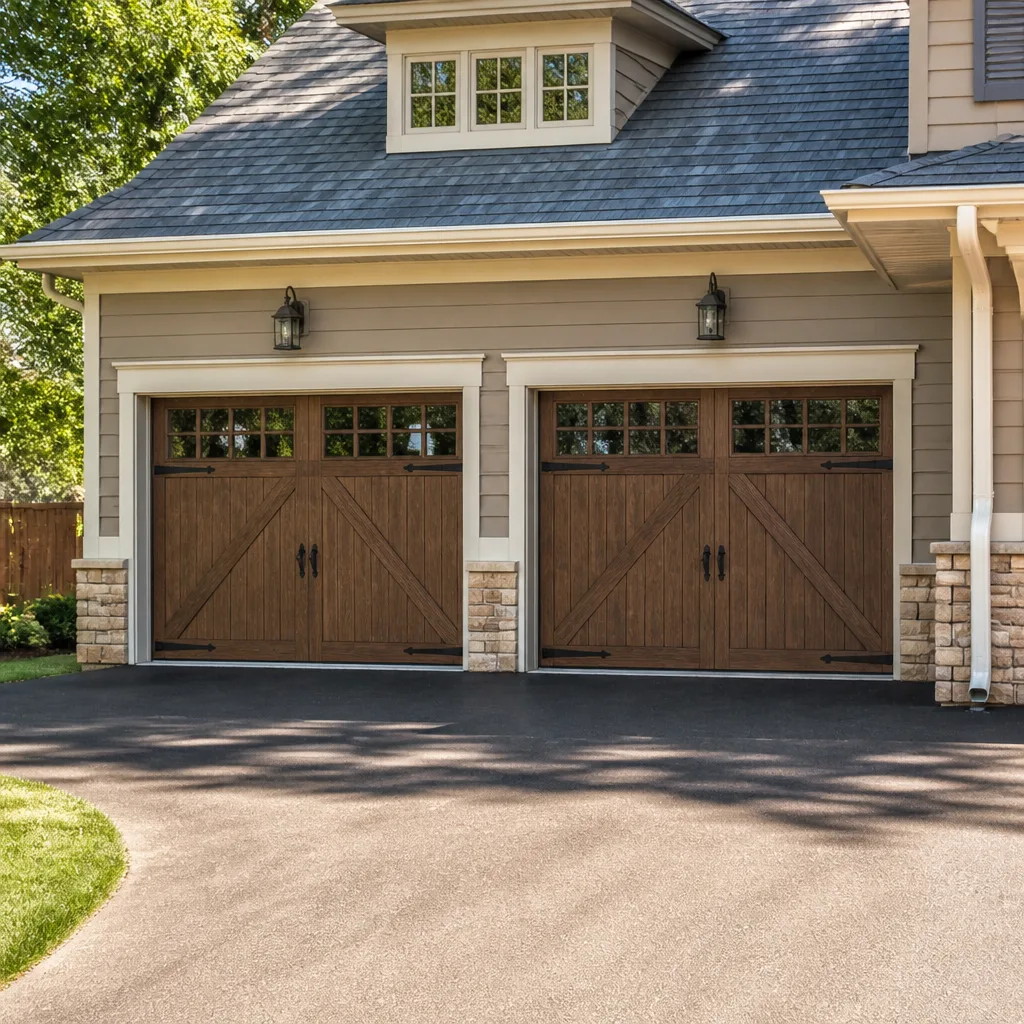 Carriage house
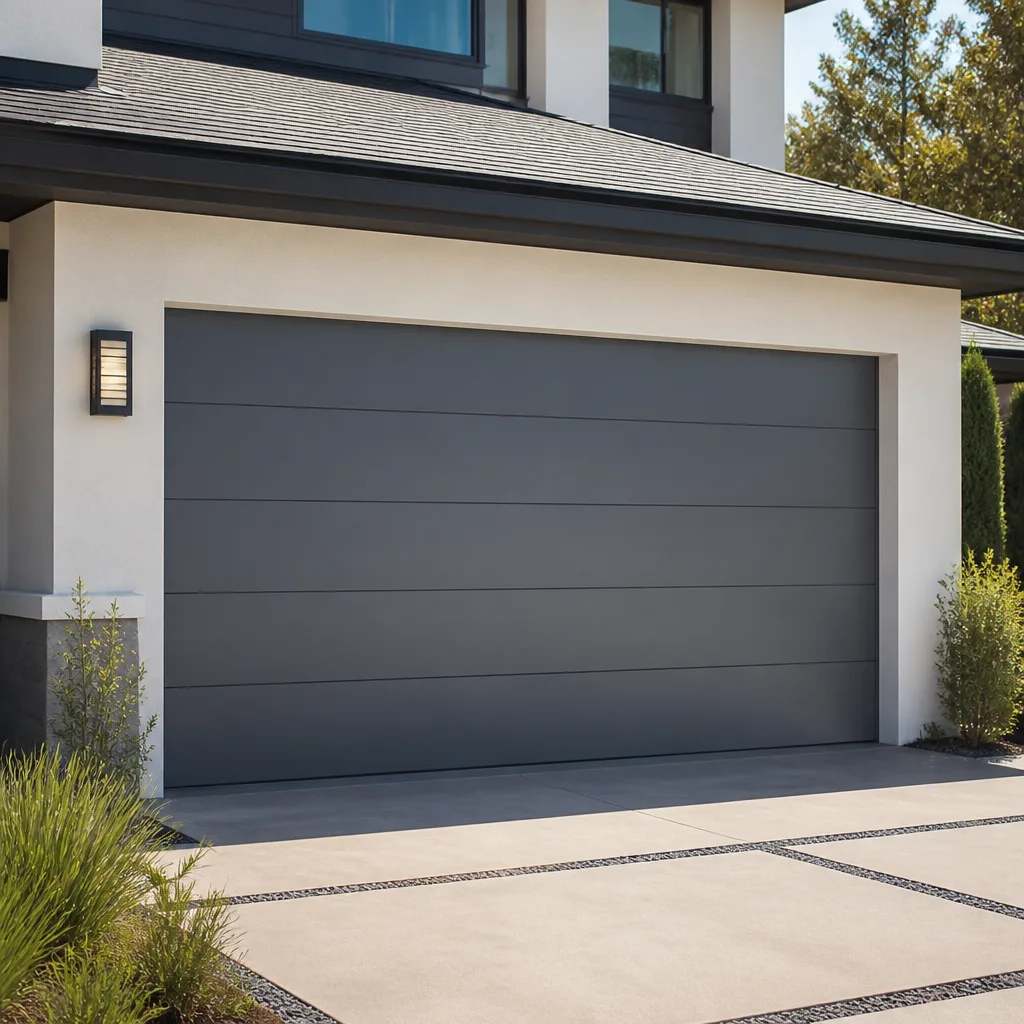 Modern flush
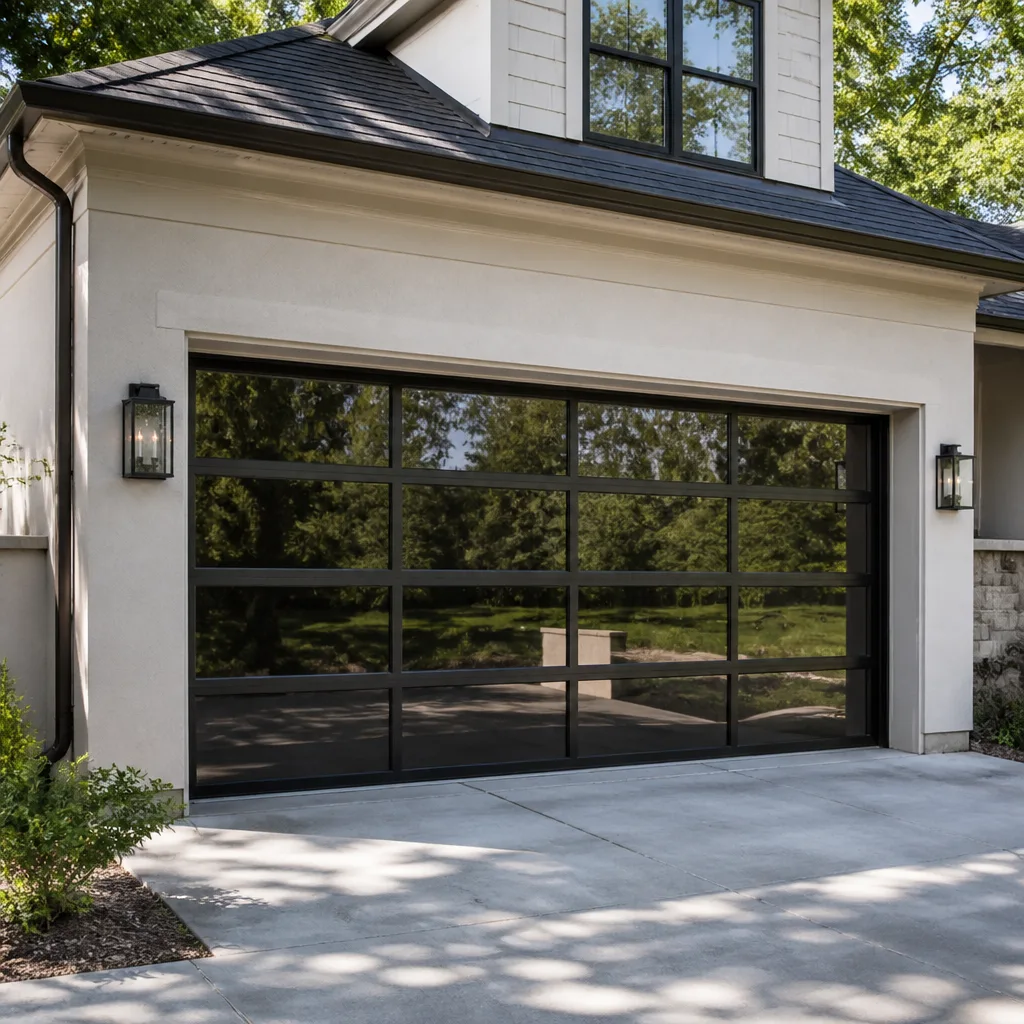 Full-view glass
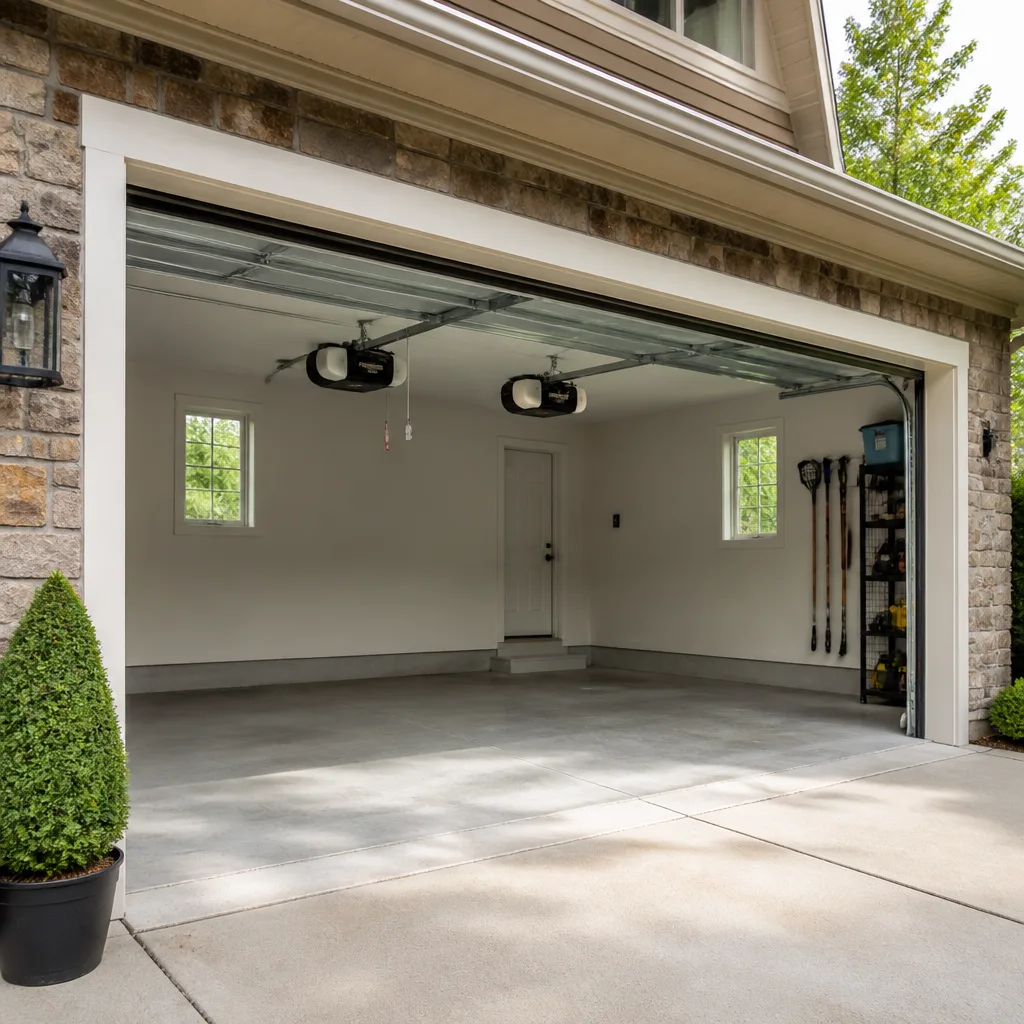 LiftMaster openers
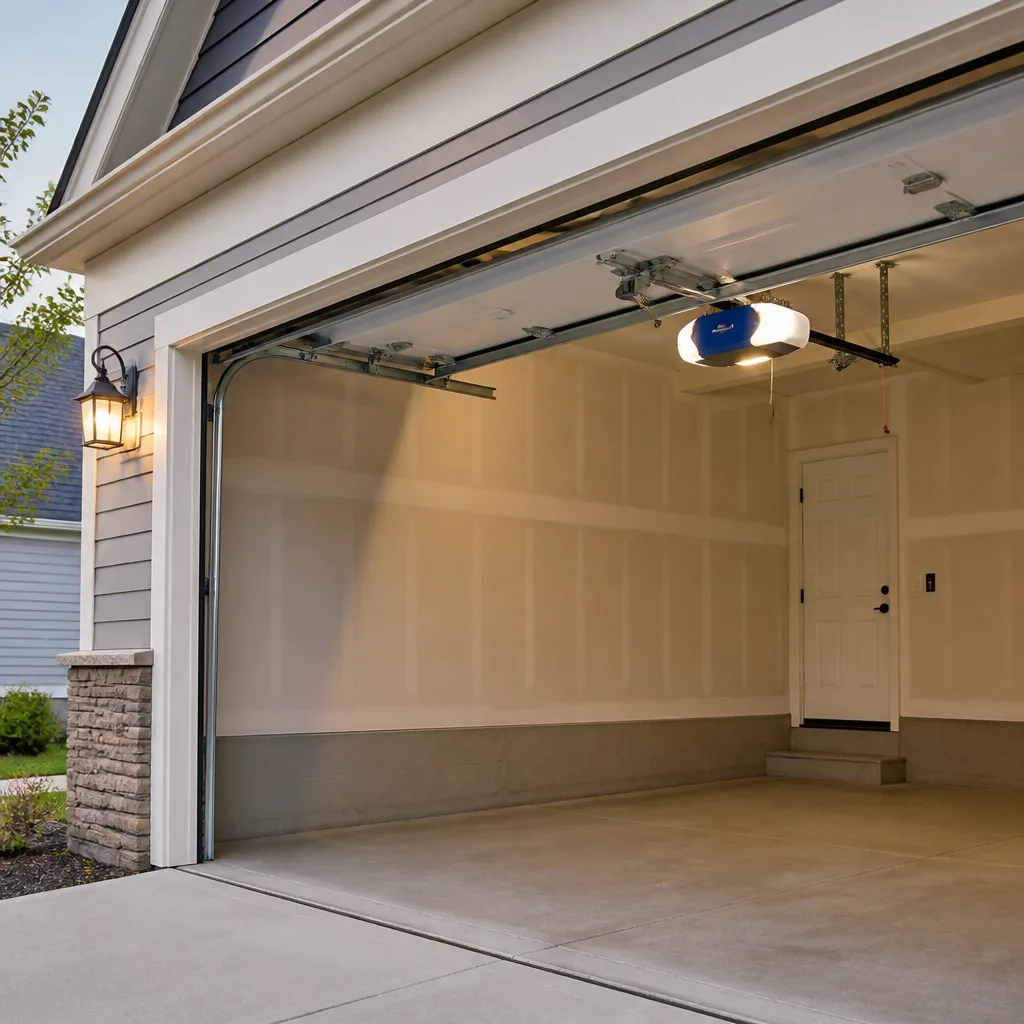 Chamberlain openers
Full 25-point door and opener safety check with every visit - springs, cables, rollers, tracks, and your LiftMaster or Chamberlain opener included
You get a price before we start. It does not change when the pro arrives.
Get your free estimateGarage Door Emergency Preparedness Guide for Newport News Homes
When a tropical storm knocks out power across Newport News, the homeowners who can’t get their cars out of their garages are almost always people who never located their emergency release cord. It’s a 10-second fix that requires zero tools, and it’s the single most useful thing you can learn before you need it. Most people think of their garage door as a convenience until it stops moving, then discover it’s the main way in and out of the house. This guide covers how a manual release actually works on the openers common in Newport News homes, what to do in the first ten minutes of a spring break or cable snap, how to prep your door before Atlantic hurricane season, and how deployment households can set up access and service authorization before a spouse ships out. It’s written for people who depend on that door every day and can’t afford to guess.
Quick Answer
Garage door emergencies in Newport News cluster around two predictable events: tropical weather during Atlantic hurricane season and deployment schedules tied to the area’s military population. The preparation that prevents the worst outcomes is simple – know your manual release, test your door’s balance and safety reverse before storm season, and have a trained technician on call who can handle springs and cables safely. Most emergency calls we field could have been avoided with a five-minute check done months earlier.
Styles & brands we work with
- Raised-panel steel
- Carriage house
- Modern flush
- Full-view glass
- LiftMaster openers
- Chamberlain openers
Table of Contents
- How the Manual Release Works on Common Opener Models
- The First 10 Minutes of a Garage Door Failure
- Pre-Storm Protocol for Atlantic Hurricane Season
- Post-Storm Damage Checks Before You Operate the Door
- Preparing for Deployment: Access and Service Authorization
- Spring and Cable Failures: Why You Don’t DIY These
- Year-Round Maintenance Checklist for Newport News Homes
- When to Call a Professional
How the Manual Release Works on Common Opener Models
Every garage door opener sold in the last several decades has a manual release, and it works the same way on almost all of them. There’s a cord, usually red or with a red handle, hanging from the trolley carriage that rides along the rail. Pull straight down on it and the carriage disconnects from the door, letting you lift the door by hand. The point of the release is to get you in and out when the opener has lost power or failed. It is not a fix. It’s a way to move the door while you wait for a technician.
The openers most common in Newport News homes come from LiftMaster, Chamberlain, Genie, and Craftsman, and all four use the same red-cord disconnect at the trolley. Raynor and Wayne Dalton systems follow the same principle even where the handle looks different. Once the door is disconnected, understand that it becomes a manual door – it will stay wherever you leave it, and it will likely be heavier than you expect because the springs carry most of the weight, not you.
Steps to Release and Reconnect the Door
- Locate the release cord. It hangs from the trolley on the rail above the door. If you can’t see it, look up and follow the rail from the opener motor toward the door.
- Pull straight down on the handle with steady pressure. Don’t yank. If it doesn’t release, stop and call a technician – forcing it can damage the carriage.
- Lift the door slowly by hand. If it feels extremely heavy or won’t stay up, do not let go and do not stand under it. Close it gently and call for service.
- To reconnect, close the door fully, pull the release cord toward the door (some models require a slight tug toward the opener), then run the opener once to re-engage the carriage.
- Test the door with the remote. If the opener runs but the door doesn’t move, the carriage hasn’t re-engaged. Repeat step 4.
If the cord is out of reach – common on tall doors or in homes where the opener was mounted high – keep a step stool nearby and know where the cord is before you need it. When the door won’t move at all, we move fast. Our technicians have up to 11 years of experience with these systems and can walk you through the release over the phone or come out to handle it.
The First 10 Minutes of a Garage Door Failure
What you do in the first ten minutes after a spring break, a cable snap, or a door jumping its track often decides whether the damage stays contained or spreads. The good news is that the correct response is mostly about what you don’t do. Springs and cables store enormous energy, and a door that’s off-balance or off-track can come down hard.
If a Spring Breaks
You’ll hear it – a loud bang from the garage, sometimes followed by the door slamming shut if it was open. Do not try to open the door. A broken spring means the door has no counterbalance, and it can weigh well over 150 pounds. Even if the opener tries to lift it, the strain on the opener and the door is dangerous. Leave the door closed if it’s closed, leave it alone if it’s open, and call for spring repair.
If a Cable Snaps
Cables run along the sides of the door and hold the tension that keeps the door square in its tracks. A snapped cable usually means the door is now unsupported on one side, which is why it hangs crooked. Do not run the opener. Do not try to lift the door by hand. The dangling cable is under no tension once it’s broken, but the other side still is. Call a technician.
If the Door Comes Off Its Track
An off-track door is a structural problem, not a cosmetic one. The rollers have left the track and the door is no longer guided. Do not force it back in. Do not run the opener. Secure the area so no one walks under it, and call for repair. If the door is blocking your car and you need it moved, a trained technician can brace and reset it safely – it’s not a job for a pry bar and a helper.
Notice the pattern: in every one of these cases, the right move is to stop operating the door and call. For non-emergency garage door repair we can schedule you promptly. For a door that’s stuck open with the house exposed, call right away.
Pre-Storm Protocol for Atlantic Hurricane Season
Atlantic hurricane season runs June through November, and Newport News sits in a position where tropical systems can bring wind, heavy rain, and extended power outages. A garage door is the largest opening in most homes, and wind pressure against a door that isn’t rated for it can damage the door, the opener, and the wall it’s mounted to. The prep work you do before the storm is far less stressful than the recovery work after it.
What to Do Before the Storm Arrives
- Test the balance of the door. Disconnect the opener and lift the door halfway by hand. It should stay there on its own. If it drifts up or down, the springs are out of adjustment and need attention before a storm.
- Test the safety reverse. Place a roll of paper towels or a small box in the door’s path and close it with the opener. The door should reverse on contact. If it doesn’t, the opener needs adjustment.
- Check the weather seal at the bottom. A worn seal lets wind-driven rain under the door. Replacing it is a small job that prevents water intrusion.
- Look at the tracks and hinges. Loose bolts, worn rollers, or bent track sections will get worse under storm stress. Tighten or repair before the season peaks.
- Locate and label the manual release cord. If you can’t reach it, have the opener’s release extended or plan for a step stool.
- Clear the area under and around the door. Anything that can blow against the door or trap you adds risk.
When NOT to Use the Door
During high winds, don’t open the door. A door that’s rated for wind is rated when it’s closed. Opening it exposes the full panel to pressure it isn’t designed to take sideways, and the opener wasn’t built to hold a door against wind either. Keep it closed until the wind has passed. If you need to move a car, do it before the front arrives.
Our garage door installation team can talk you through wind-rated options if your current door is older or showing its age. That’s measured and scheduled work, so plan ahead of storm season rather than during it.
Post-Storm Damage Checks Before You Operate the Door
After a storm, the door may look fine and still be unsafe. Do the visual checks before you press the remote – not after. If anything on this list fails, don’t run the opener and call a technician.
The Visual Checks
- Panels: Look for dents, separation at seams, or panels that are no longer aligned with each other. A dented panel can bind in the track.
- Tracks: Run your eye along both side tracks. They should be straight, parallel, and clear of debris. Bent tracks will derail the door.
- Hinges and rollers: Check that hinges are tight and rollers are seated in the tracks. A popped roller means the door is unsupported.
- Springs and cables: Look at the springs above the door. A broken spring shows an obvious gap. Check that both cables are intact and resting in their drums.
- Bottom seal and threshold: Debris and water can trap a seal or lift the door slightly off the ground.
- Opener rail and mounting: Look at the rail above the door and the bracket where the opener attaches to the header. Storm vibration can loosen lag bolts.
What to Do If a Check Fails
If any of the above is off, treat the door as unsafe until a technician has looked at it. Don’t operate it manually either – a door with a popped roller or a loose bracket can fall. Call for service, describe what you see, and let a professional assess. For an opener that’s running but not lifting the door, or one that’s behaving erratically after a power surge, our garage door opener repair team handles the brand already on your door.
Preparing for Deployment: Access and Service Authorization
Newport News has a large military population, and deployments create a specific gap in how homes get maintained. When one spouse ships out, the other – or a trusted neighbor, family member, or friend – often becomes the point of contact for anything that breaks, including the garage door. The prep work on this front is less about the door and more about who can act on your behalf. It’s a plan worth putting in place before the deployment, not after the door stops working.
Setting Up Access and Authorization
- Identify one trusted person who can let a technician onto the property and stays reachable during the deployment window.
- Share the opener code or a spare remote with that person. Keep a spare physical key for the door, if the door has one, in a secure place they can access.
- Write down what you’ve authorized. A short note stating who can approve service on your behalf is clearer than a verbal arrangement.
- Leave brand information for the door and opener where the trusted person can find it – Amarr, Clopay, LiftMaster, Genie, and so on. Knowing the brand before the call helps the technician bring the right parts or confirm the right service.
- Give that person our number and note that we answer 24/7. Fast dispatch from 7am to 7pm, Sunday through Friday.
- If you have a service history, keep it in one place. Recent spring replacements, opener work, and tune-ups help a technician understand the door.
When the door won’t move, we move fast. That’s not a tagline in a deployment situation – it’s the difference between a spouse getting to work on time and losing half a day. We work on the brand already on your door, not the one we prefer to sell, so the person handling it in your absence doesn’t have to hunt for a brand-specific specialist.
Spring and Cable Failures: Why You Don’t DIY These
Springs and cables are the two parts of a garage door that can cause serious injury, and they are the two parts most homeowners should never touch. The reasons are technical but simple. Torsion springs – the horizontal ones above the door – are wound under extreme tension and held in place by set screws on a shaft. Loosening a set screw without proper winding bars can release the spring violently. Extension springs – the ones that run along the sides on older doors – store just as much energy and need safety containment. Cables carry that tension along the door.
What Spring Repair Actually Involves
A trained technician winds and unwinds the springs using specific tools, sizes the new spring to the door’s weight, and tests the balance after installation. The wrong spring size will make the door hard to lift, run the opener hot, and wear out faster. This is a dedicated service because it’s a dedicated skill. Most general handymen decline spring work, and for good reason. When we send a technician for spring repair, they’re specialists who do this every day, and they’ll confirm the price with you before any work starts.
The Safety Rule
If you suspect a spring is broken or a cable is damaged, do not attempt to move, lift, or open the door. Do not try to remove the spring housing or the track. Do not loosen the set screws. Call for service. A door that’s off-balance is not just inconvenient – it’s a hazard, and the fix is not a YouTube tutorial away.
Year-Round Maintenance Checklist for Newport News Homes
Preparedness isn’t a season – it’s a short list you run through a few times a year. The timing isn’t arbitrary: test before hurricane season and again before colder weather arrives, when the door’s moving parts stiffen and the opener works harder. In our experience across Newport News, the doors that avoid emergencies are the ones that get looked at on a schedule.
Every Three Months
- Test the safety reverse with a small object in the door’s path.
- Check the balance by disconnecting the opener and lifting the door halfway.
- Look at the springs and cables for gaps, fraying, or visible wear.
Twice a Year
- Lubricate the hinges, rollers, and tracks with a garage-door-specific lubricant. Avoid heavy grease in the tracks.
- Tighten any visibly loose bolts on hinges, brackets, and the opener mounting.
- Wipe the tracks clean of debris and confirm rollers are seated.
- Inspect the weather seal at the bottom and around the sides.
Before Hurricane Season
- Run the full pre-storm protocol above.
- Have a technician look at the door if it’s over a decade old and hasn’t been serviced.
If the door is done rather than just tired, that’s a different conversation. Our garage door installation service can walk you through wind-rated options for the brands we service. The full range of Newport News Garage Door Repair Pros services covers everything from routine tune-ups to full replacement.
Common Mistakes to Avoid
- Pulling the manual release while the door is open. It can drop the door abruptly, especially if a spring is weak. Disconnect only with the door closed.
- Forcing a door back onto the track. An off-track door needs the rollers reset properly, not pushed back with a pry bar. Forcing it bends the track and can cause it to fall.
- Running the opener on a door with a broken spring. The opener isn’t built to lift the full weight of the door and can burn out or strip its gears.
- Ignoring a warning sign until it fails. A door that’s slow, noisy, or drifting is telling you something. In Newport News homes, the door that’s drifted out of balance for months is the one that breaks during a storm.
- Assuming a power surge took out the opener for good. Many openers just need to be reset or have the force adjusted after a lightning-adjacent outage. Call before you replace.
- Skipping the pre-storm check. Storm prep takes half an hour and can save an entire day of recovery. Test the safety reverse, look at the tracks, and confirm the release cord is reachable.
- Letting a deployment go by without setting up access. A trusted person who knows where the release cord is, what brand the door is, and who to call makes all the difference.
See the difference
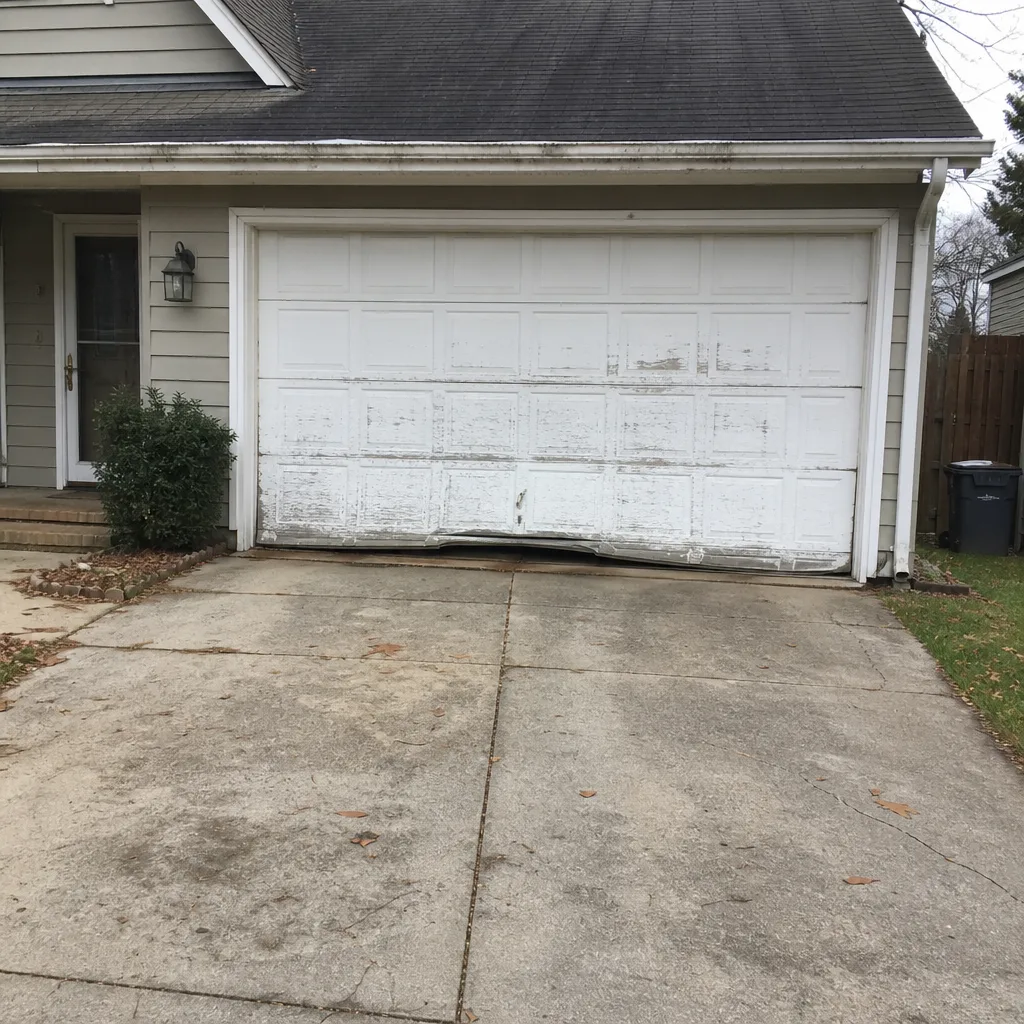 Before
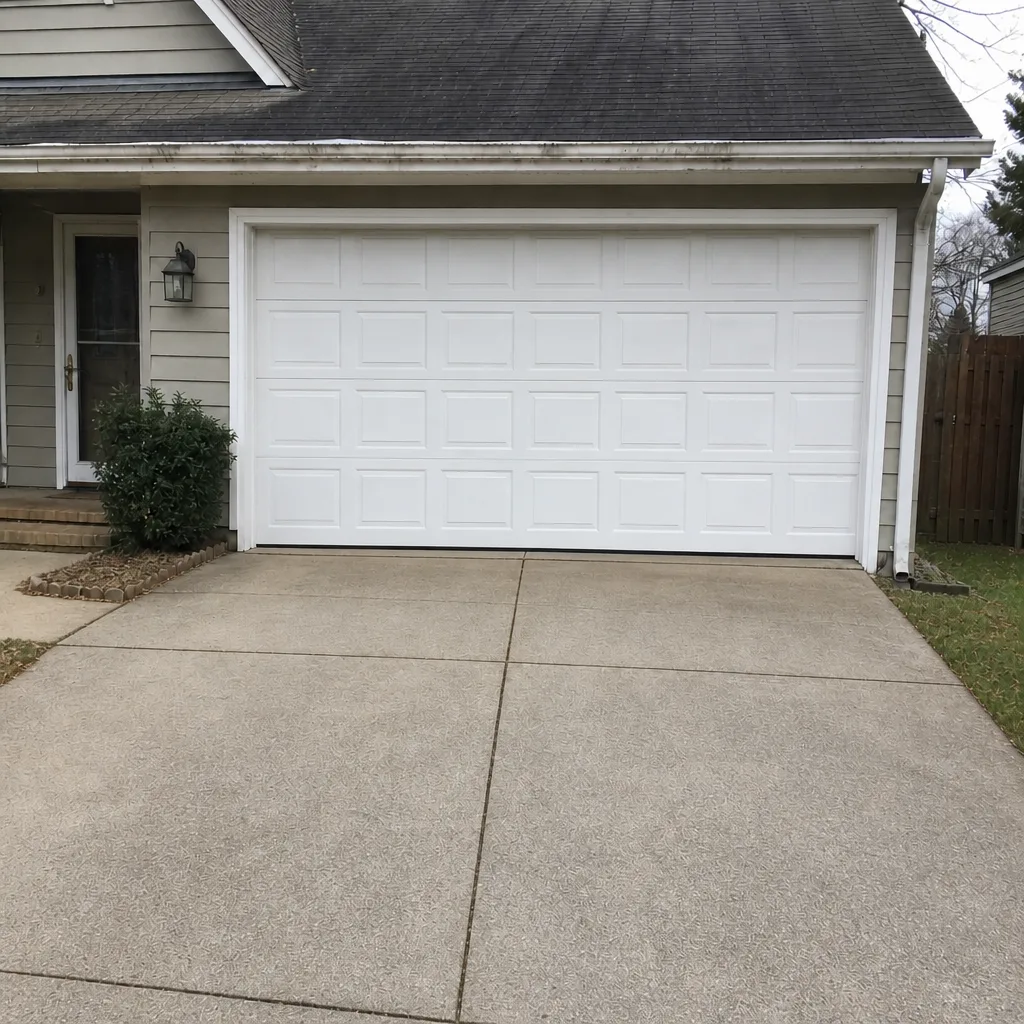 After
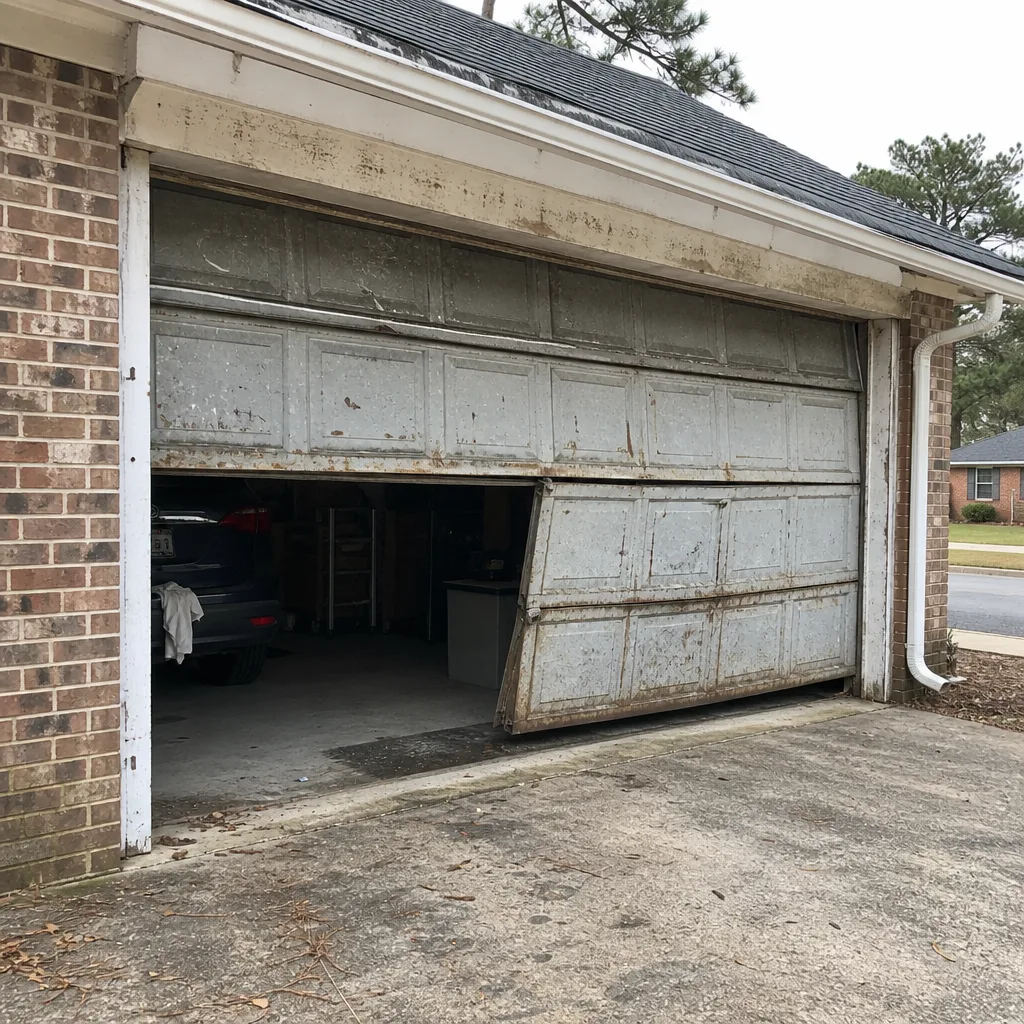 Before
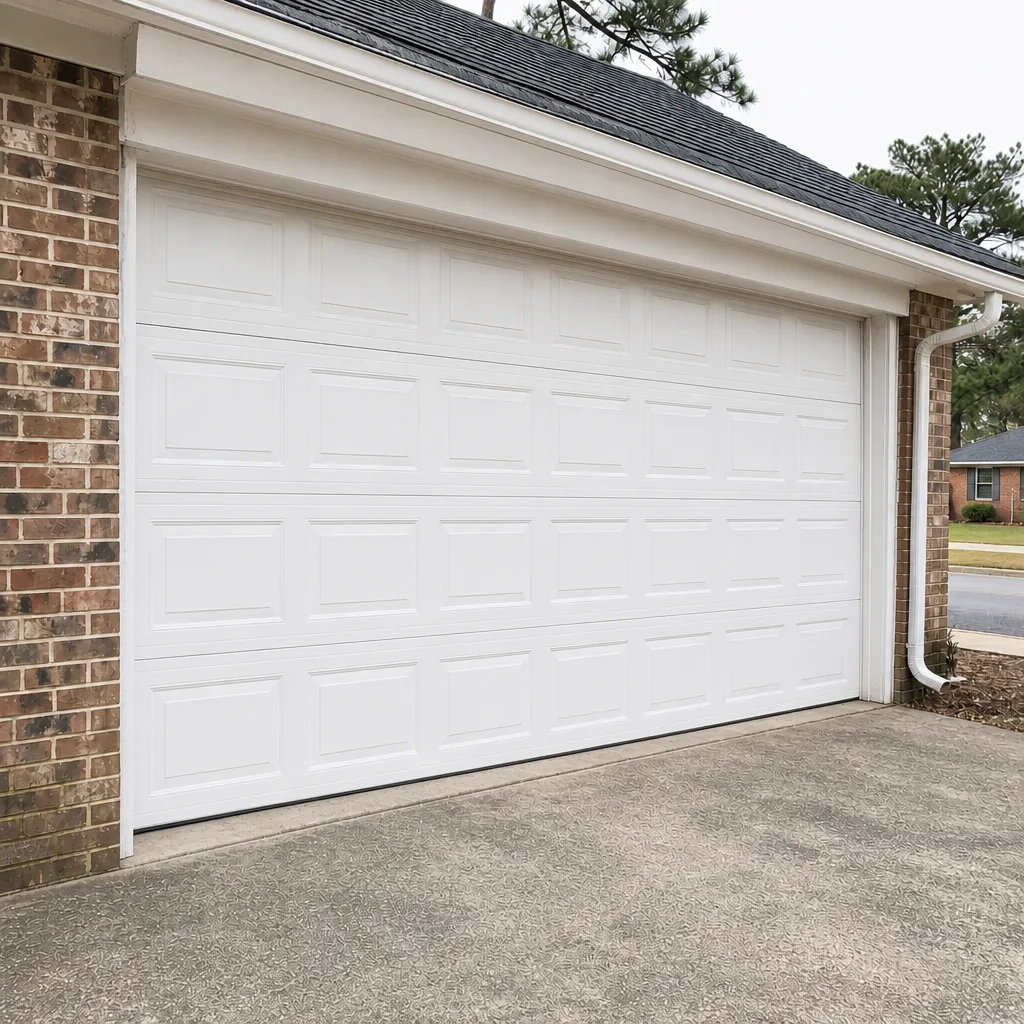 After
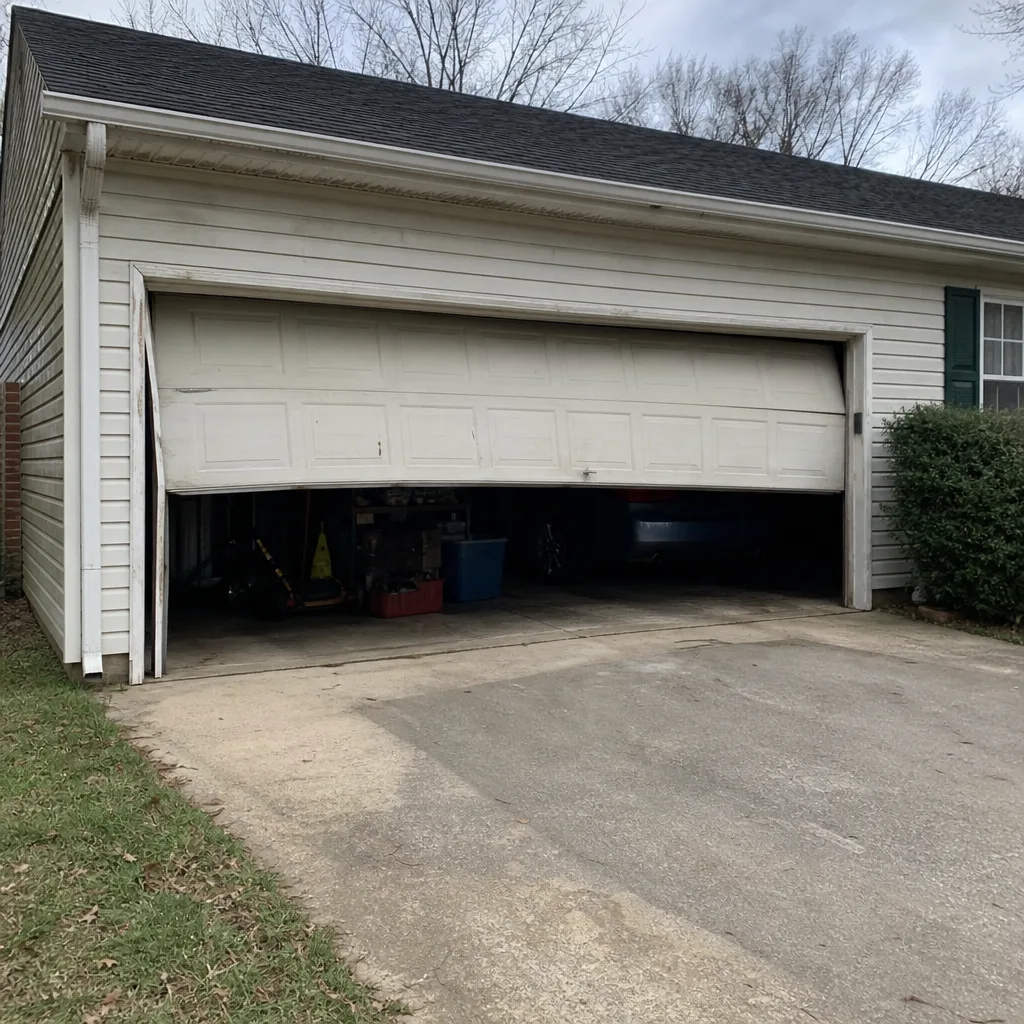 Before
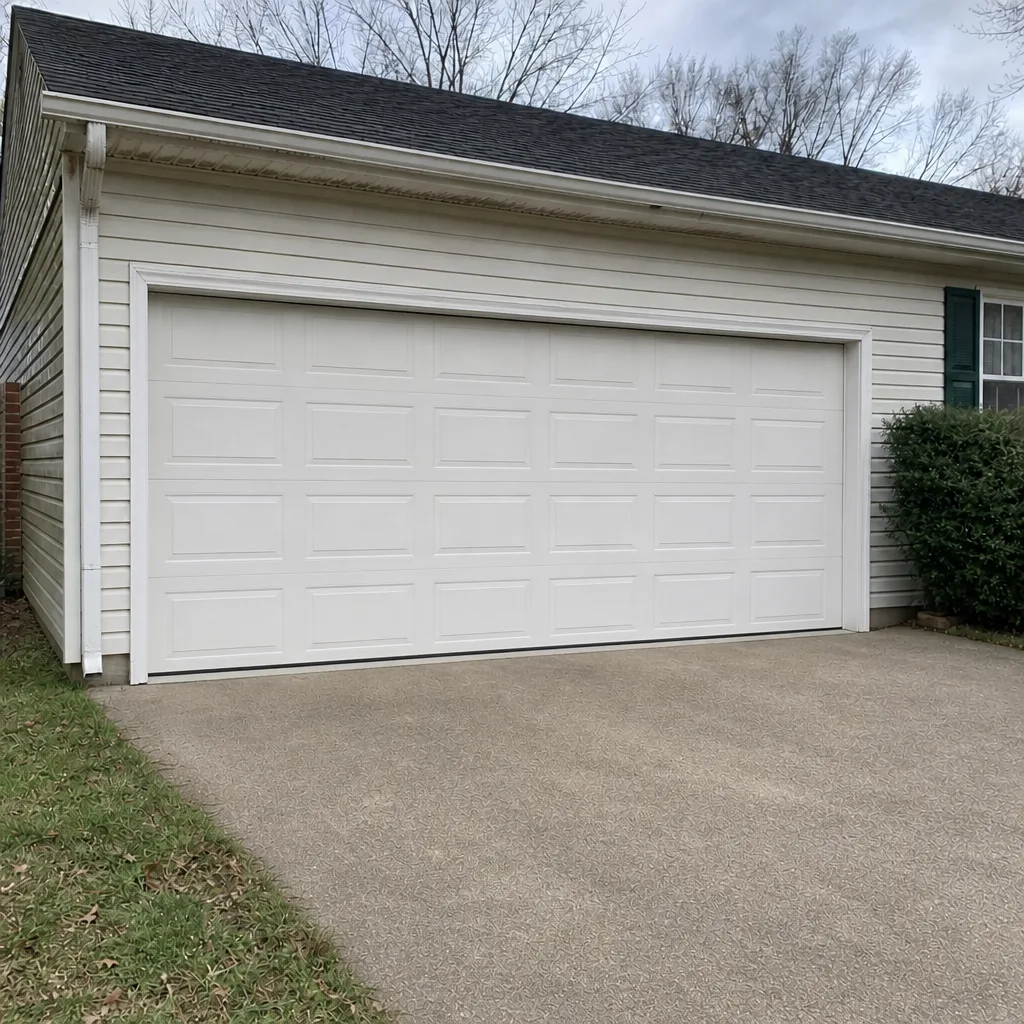 After
When to Call a Professional
Call a professional the moment any of these is true: a spring is broken, a cable has snapped, the door is off its track, the door is failing to close all the way, the opener runs but won’t move the door, the door is drifting out of balance, or anything in your post-storm check looks off. These are all safety issues, and none of them get better by running the opener again. A trained technician can assess in person, confirm the scope of the repair, and give you a written estimate before any work starts. Newport News Garage Door Repair Pros offers free estimates in Newport News. Call (833) 508-9227. We answer 24/7. Fast dispatch from 7am to 7pm, Sunday through Friday, and we are closed Saturday – a call outside dispatch hours is booked into the next opening. When the door won’t move, we move fast.
Frequently Asked Questions
Pull the red release cord hanging from the trolley on the opener rail. That disconnects the door from the opener, and you can lift it by hand. If the door feels extremely heavy or won’t stay up, close it and call – that’s a sign the springs need service.
We schedule same-day where we can, and we treat door emergencies as a core offering. Call (833) 508-9227. We answer 24/7. Fast dispatch from 7am to 7pm, Sunday through Friday. We’ll give you a free estimate and confirm the price before work starts.
No. Keep the door closed until the wind has passed. A door that’s closed is in its rated position; opening it exposes the full panel to wind pressure it wasn’t designed to take, and the opener wasn’t built to hold the door against wind either.
Look at the panels, both side tracks, hinges and rollers, springs and cables, the bottom seal, and the opener’s rail and mount. If anything is bent, loose, or out of place, don’t run the door. Call for service.
The written estimate sets the final price, and you approve it before any work starts. Rates are per job by estimate, so the technician sizes the repair to your actual door.
We service LiftMaster, Chamberlain, Genie, Clopay, Amarr, Wayne Dalton, Craftsman, and Raynor. That covers the doors and openers installed in most Newport News homes, so you rarely need a different specialist for a brand-specific repair.
The Bottom Line
Emergency preparedness for a garage door in Newport News is mostly about two weekends a year and one ten-second skill you should learn right now. Test the safety reverse and the balance before hurricane season. Do the visual checks after a storm. If you’re deploying, set up access and authorization with a trusted person before you go. Know where the release cord hangs and don’t force anything that looks off – springs, cables, and off-track doors are all safer in the hands of a specialist. Our technicians have up to 11 years of experience across eight major brands, and we handle repair, opener service, spring work, and installation under one company. Call (833) 508-9227 for a free estimate. We answer 24/7. Fast dispatch from 7am to 7pm, Sunday through Friday, and we are closed Saturday.
Written by the team at Newport News Garage Door Repair Pros.