
Last updated November 22, 2026
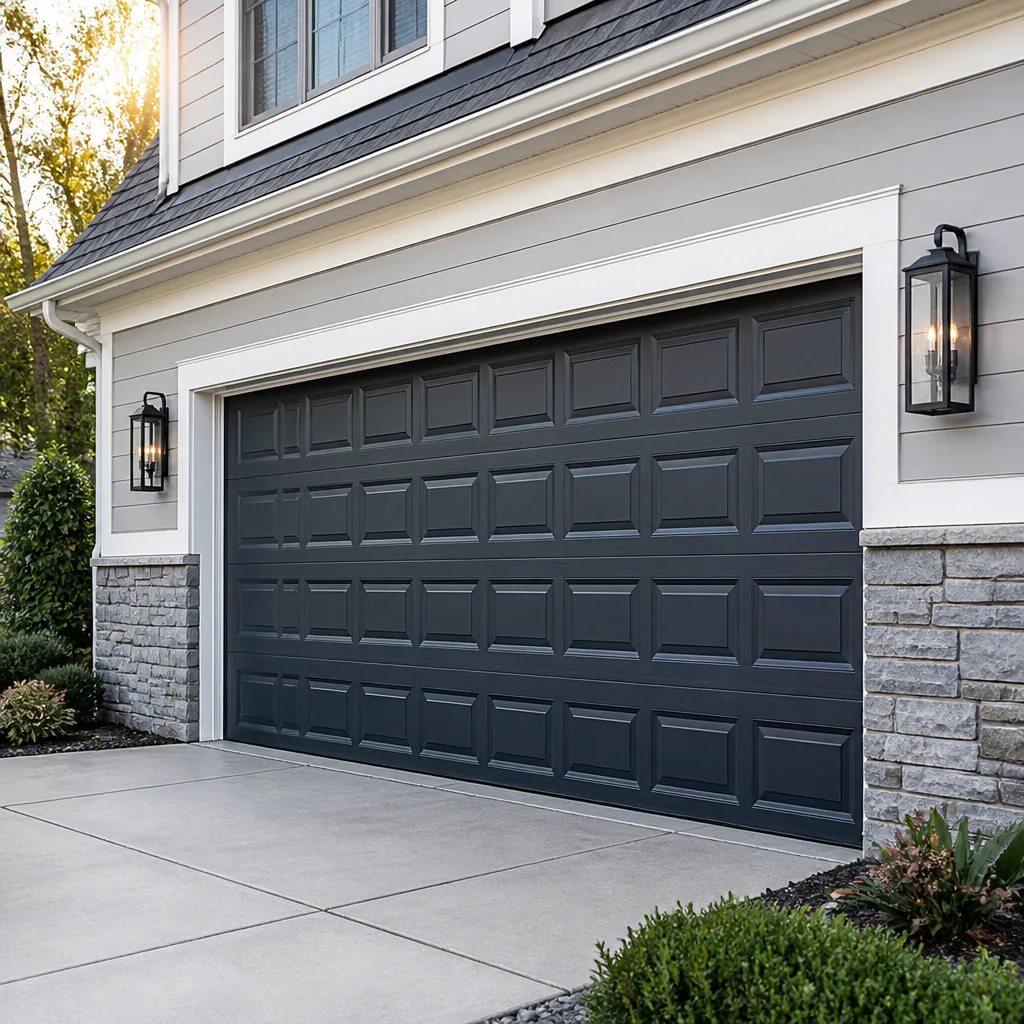 Raised-panel steel
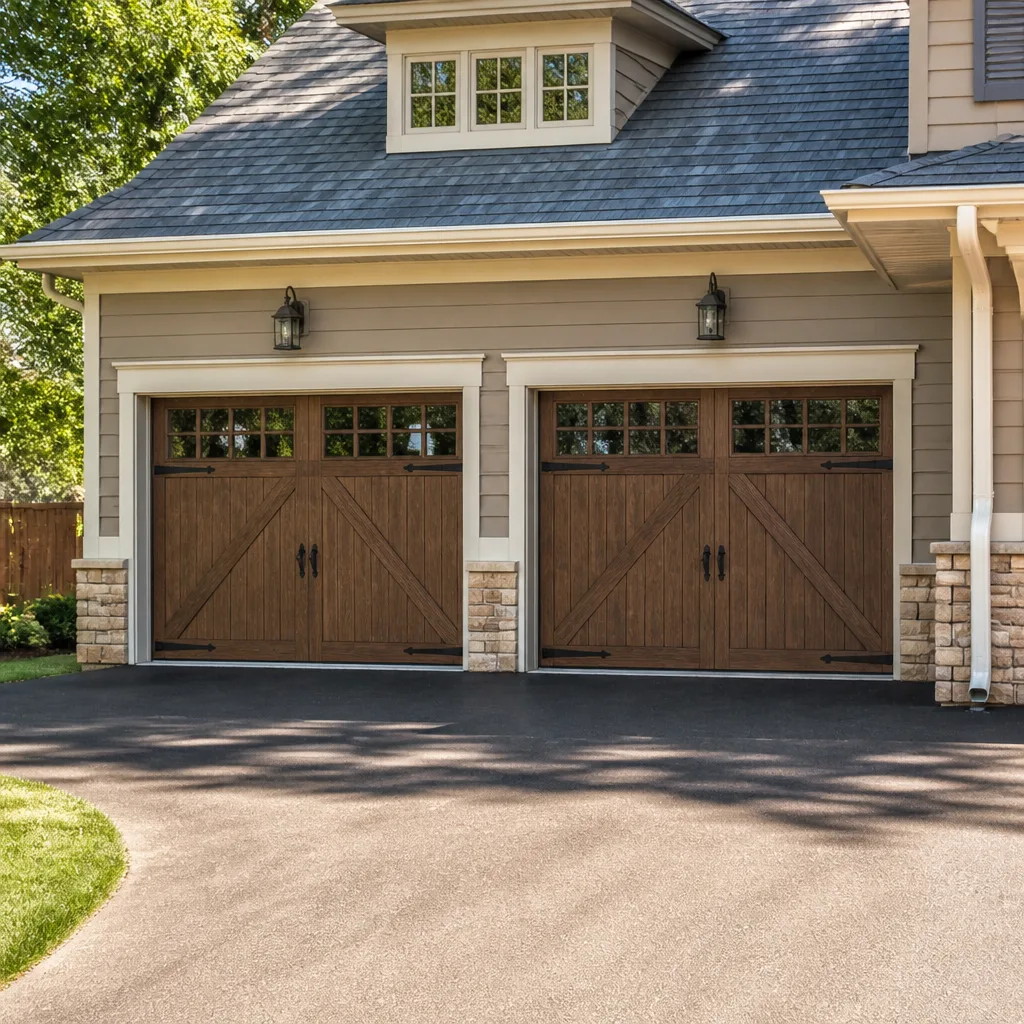 Carriage house
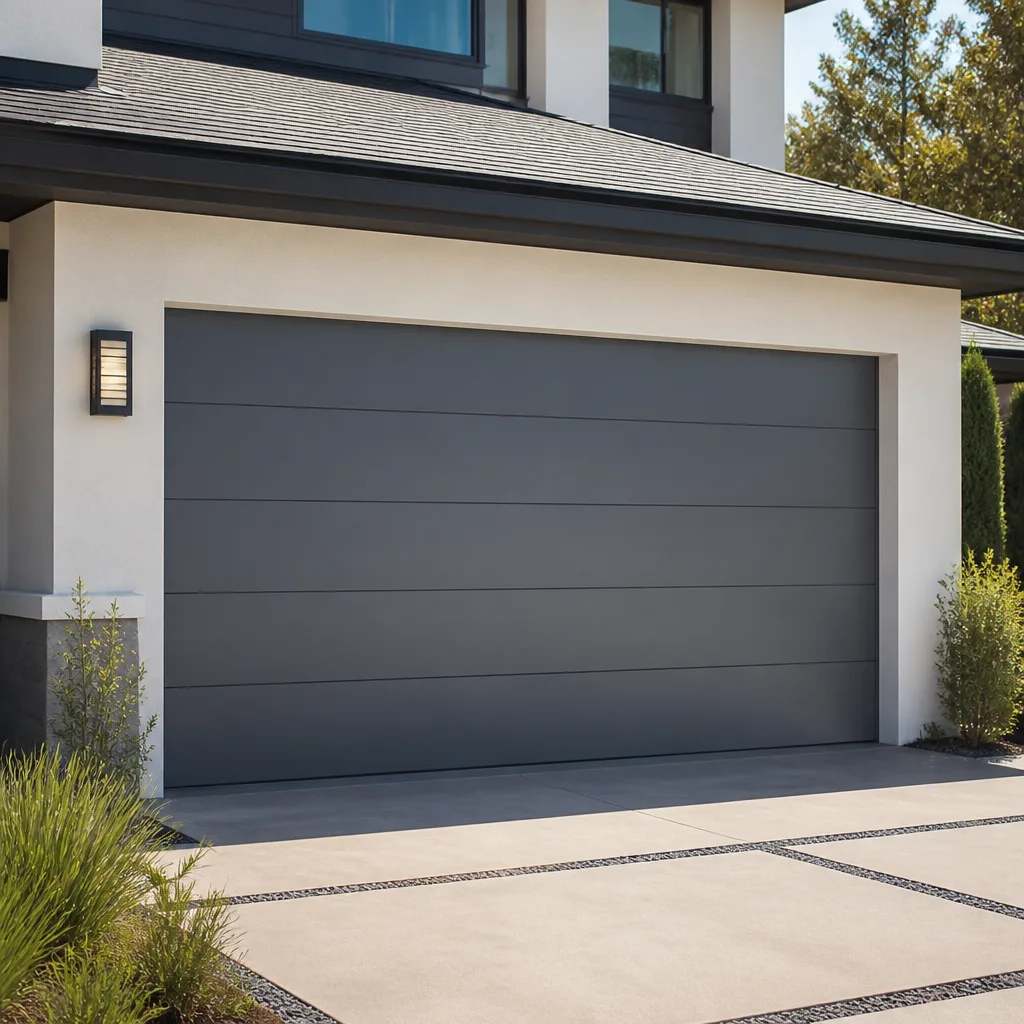 Modern flush
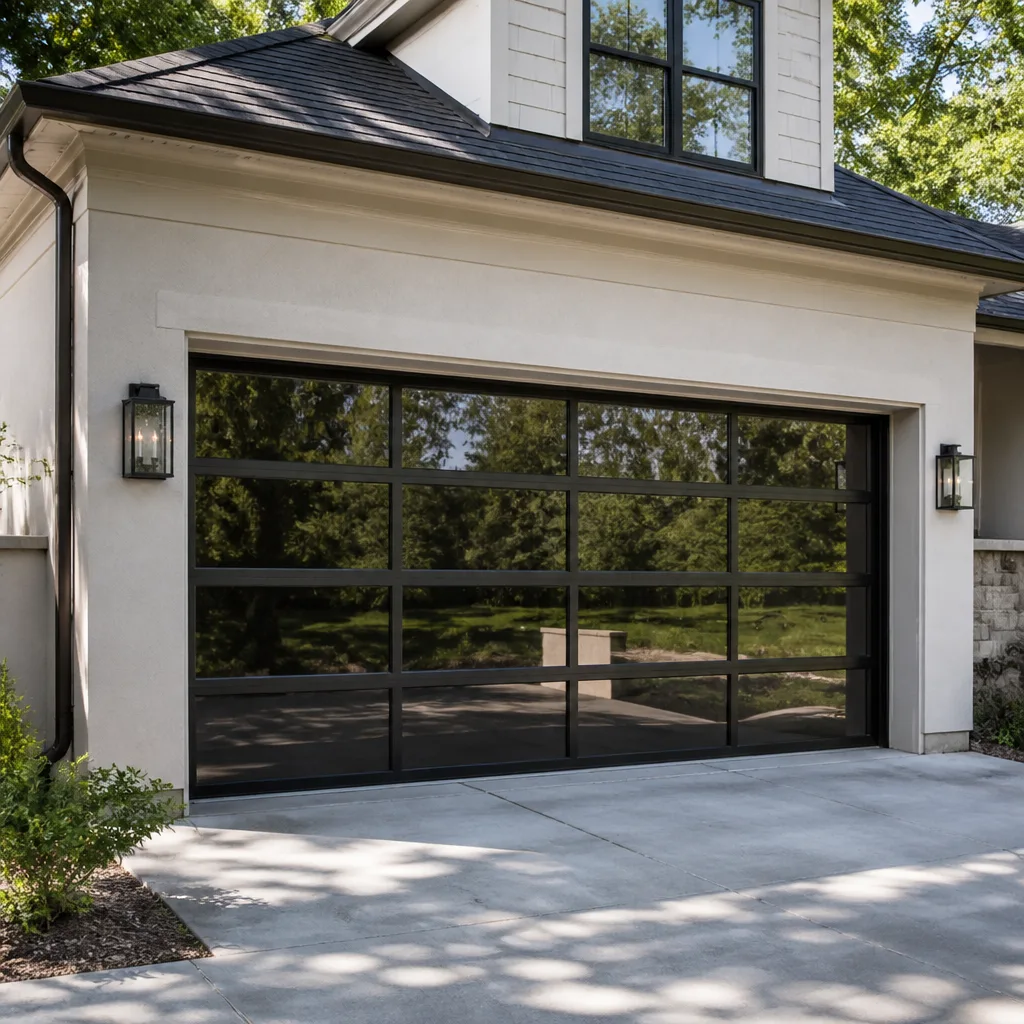 Full-view glass
 LiftMaster openers
 Chamberlain openers
Full 25-point door and opener safety check with every visit - springs, cables, rollers, tracks, and your LiftMaster or Chamberlain opener included
You get a price before we start. It does not change when the pro arrives.
Get your free estimateGarage Door Warning Signs: A Newport News Homeowner’s Reference Guide
A garage door that takes three seconds longer to close than it did six months ago is not “getting older.” It is a measurable symptom of a specific mechanical failure in progress, and continuing to ignore it usually turns a smaller repair into a much bigger one. Most doors that fail completely announced themselves weeks or months earlier – with a new sound, a shimmy, a gap, a small hesitation at the halfway point. The trouble is that homeowners in Newport News are conditioned to tolerate gradual degradation until the door finally stops moving and forces an emergency call. This guide gives you a symptom-to-cause map, the warning signs that matter most in our climate and housing stock, and the three signs that mean stop using the door entirely.
Quick Answer
Garage doors almost never fail without warning. The most reliable early warning signs are a door that has become noticeably louder, a door that drifts or hangs unevenly, visible rust or fraying on springs and cables, a garage door opener that strains or reverses, and a bottom seal that no longer contacts the floor. Any of these means a component is wearing out and should be inspected before the door fails completely; three specific signs – a snapped spring, a visibly frayed or kinked cable, and a door that will not stay balanced – mean stop operating the door and call a professional.
Styles & brands we work with
- Raised-panel steel
- Carriage house
- Modern flush
- Full-view glass
- LiftMaster openers
- Chamberlain openers
Table of Contents
- Symptom-to-Cause Map: What Each Sign Actually Means
- Warning Signs Specific to Newport News Conditions
- What You Can Safely Check Yourself vs. What Requires a Technician
- The Slow-Creep Failures Homeowners Normalize
- When to Stop Operating the Door Entirely
- Warning Signs Inside the Opener
- A Seasonal Warning-Sign Checklist for Newport News
- What Repairs Typically Cost and How to Avoid Bigger Bills
Symptom-to-Cause Map: What Each Sign Actually Means
Every garage door failure has a paper trail. The door tells you what is wrong before it quits – you just need to know how to read the signal. Here is a symptom-to-cause reference map for the most common failures we see in Newport News. If you recognize two or more symptoms, treat the door as due for professional inspection before it fails completely.
- A loud bang followed by the door hanging loose: A torsion spring has snapped. This is an immediate stop-use sign. Call a professional garage door spring repair specialist; do not attempt to lift or operate the door.
- A door that closes fast, then slams at the end: Loss of spring tension. The springs have fatigued and can no longer counterbalance the door’s weight. This will eventually fail completely and strain the opener.
- A door that drifts back up slightly after closing: The opener’s limit switch is out of adjustment, or the door is out of balance. This is a common problem on Chamberlain and Genie units and often gets misdiagnosed as a sensor issue.
- A door that will not close, with the opener light flashing: The safety sensors are misaligned or blocked. Humidity-related drift in the sensor alignment is a real issue here (more on that below).
- A grinding or scraping sound during travel: Track misalignment, worn rollers, or a dry torsion bar. Roller replacement or track adjustment is generally a straightforward repair if caught early.
- A door that shimmies or wobbles side to side: A worn roller, a bent hinge, or a loosened track bracket. Left alone, this puts load on the opener and eventually damages cables.
- A visible fray or kink in the cable along the side of the door: A cable is failing. This is an immediate stop-use sign; a snapped cable under tension is dangerous and requires a trained professional.
- A gap at the bottom of the door, or visible daylight: A worn bottom seal. Common in Newport News, and it lets humidity and pests in while forcing the door to work harder to close.
- A door that reverses without touching anything: A misaligned sensor, a logic board failure in the opener, or a safety-reverse force setting that is too sensitive. Each has a very different fix.
- A door that opens unevenly, one side higher than the other: Cable, drum, or spring failure on one side. Do not operate.
The pattern to notice: symptoms that involve sound and speed usually point to springs or the opener. Symptoms that involve physical misalignment usually point to tracks or rollers. Symptoms that involve cable deformation or a hanging door mean stop and call.
Warning Signs Specific to Newport News Conditions
Garage door failure does not happen in a climate vacuum. Newport News sits in a humid, mid-Atlantic coastal-plain climate, and that shapes which components wear first. Our summers are long, sticky, and occasionally punishing, and our winters cycle above and below freezing rather than sitting in one mode. That environment produces a specific set of warning signs that generic inland guides miss.
Rust patterns on springs and hardware
Humidity-driven rust is the most common premature-failure trigger for garage door springs in Newport News. Torsion springs are under constant high tension – any rust patch on the coil is a warning that a failure is closer than the age of the spring would suggest. Check the visible spring coils and the hinge plates once a season. Light surface rust on hinges can often be cleaned and lubricated; rust on the spring coil means schedule an inspection.
Bottom seal failure
Rubber bottom seals harden faster in a humid climate and lose their flexibility. Once the seal stops making full contact with the floor, the door’s auto-reverse safety function can become unreliable – and the door has to drive harder to close. A visible gap at the bottom, or a door that bounces back up on closing, is a warning to have the seal checked.
Humidity-related safety sensor drift
Photo-eye safety sensors are extremely sensitive to alignment. In Newport News, the humidity cycling plus seasonal temperature swings that push and pull the door’s frame can shift a sensor’s aim by degrees, which is enough to trigger intermittent failures: the door works fine one day and refuses to close the next. If your door has become temperamental about closing, sensor misalignment is the first thing to suspect, before you assume the opener is failing.
Panel swelling and finish cracking
Wood-composite and steel doors with compromised paint can absorb moisture along the bottom edge and around the panel seams. Look for bubbling paint, a sightline that used to be flush but now stands proud, or a soft spot near the bottom panel. Catching finish failure early protects the door’s structure; ignoring it means eventual panel replacement rather than refinishing.
Uneven wear from short-cycle usage
Many Newport News homes use the garage as the primary entry, which means the door cycles far more often than a door on a house that enters through the front. High-cycle count accelerates spring fatigue, opener wear, and roller degradation. If your garage is the family’s main door, budget inspections based on use, not on the calendar.
What You Can Safely Check Yourself vs. What Requires a Technician
Some garage door checks are completely safe for a homeowner with a flashlight and a few minutes. Others are genuinely dangerous, and the difference is not always obvious. Here is how we draw the line in every service call, in plain terms.
Safe for you to check
- Listen to the door: Any new sound – a scrape, a grind, a bang, a rattle – is a warning sign. You do not need to know what caused it to know it needs attention.
- Watch the travel speed: Time how long the door takes to open and to close. If it is noticeably slower than it was a season ago, the springs, opener, or rollers may be failing.
- Check the safety sensors: Both photo-eye lenses at the bottom corners should have a steady light (many units show solid, not blinking). Clear any cobwebs or debris and confirm the lenses are aimed at each other.
- Look at the seal: From inside the garage, look for visible daylight between the bottom of the door and the floor.
- Inspect the outside of the springs and cables visually: Rust, a visible fray, or a kink in a cable is information you should have – just do not touch them.
Requires a technician immediately
- Anything involving the torsion spring or the extension springs. These are under extreme tension. A spring that looks fine can still be dangerous to touch.
- Anything involving cables, drums, or the torsion bar. Cables fray and snap without warning; a single touch can release stored energy.
- Anything involving the opener’s internal wiring or the electrical panel.
- Adjusting the door’s balance, spring tension, or track alignment.
- Any door that has visibly dropped on one side or that will not stay in a stable position.
If you are not sure which category a symptom falls into, assume the conservative one. A trained technician can look at a symptom in seconds and tell you what is safe to keep running and what is not. Our technicians have up to 11 years of experience on doors across Newport News – and the fastest way to use that experience is to have us look at the door before you decide.
The Slow-Creep Failures Homeowners Normalize
The most expensive repairs are almost always the ones homeowners got used to. A door that grew louder over six months, a door that started taking a moment longer to close, a door that now needs a hand to lift at the bottom – these are all being “managed” by the household until the day the door quits entirely. Here are the three slow-creep failures to watch for, and what each one is actually doing.
1. Gradual balance loss
The torsion springs carry the weight of the door so the opener only has to guide it. As springs fatigue – which they do, gradually, over cycles – the door becomes heavier and the opener works harder. The first symptom is a slower, more labored close. A later symptom is that the door no longer holds its position halfway up if you stop it there. Balance loss is the single most normalized warning sign we see in Newport News, and left alone it takes out the opener next.
2. Minor cable fraying
Cables fray strand by strand. What starts as a rough spot along one edge becomes a visible kink, then a snapped cable. Cables are not a “wait and see” component; the failure mode is sudden and loud. If you can see strands separated from the braid, the cable is a warning sign that should be repaired before it’s operated again.
3. Opener strain
An opener that is straining is not aging gracefully – it is carrying more work than it was built for. Signs of opener strain include: the light flickering during travel, the motor sounding louder than it used to, the door reversing for no apparent reason, and the remote taking two presses to respond. On LiftMaster and Chamberlain belt-drive units, a strained opener is usually telling you the door is heavier than it should be. Fix the door and the opener relaxes; ignore the door and the opener fails next. Either way, that is garage door opener repair territory, and it is easier to fix before the opener quits outright. For a full walk-through of what causes opener strain, our guide to common garage door opener problems covers the diagnostic side.
When to Stop Operating the Door Entirely
Some warning signs mean “call soon.” Three mean “stop using the door right now.” Those three are non-negotiable, and every homeowner in Newport News should be able to recognize them on sight:
- A snapped torsion spring or extension spring. You will usually hear it: a loud bang. The door will become extremely heavy and may hang unevenly. Do not attempt to lift it. Do not disconnect the opener and manually raise the door. Both are how people get seriously hurt.
- A visibly frayed, kinked, or snapped cable. The cable is holding spring tension. A damaged cable can snap without warning, and the resulting whipping motion is dangerous. Stop using the door and keep everyone – especially children – away from it.
- A door that will not stay balanced or that has visibly dropped on one side. If the door is not what it was, it is not safe to operate. A car door left half-open under a hanging door is not a scenario worth testing.
What to do the moment any of these apply: stop operating the door, keep vehicles and people clear, and call us. We answer 24/7. Fast dispatch from 7am to 7pm, Sunday through Friday. A specialist will be able to identify the failure, secure the door safely, and give you a written price before any repair begins.
One more rule worth memorizing: never try to release a snapped spring by hand or remove a spring assembly. These are stored-energy components, and working on them incorrectly is one of the most common serious-injury garage door scenarios. That is a job for a trained professional, always.
Warning Signs Inside the Opener
The opener is the brains of the door, and its warning signs are often quieter than the door’s. Watch for these, and treat each as a signal to have the opener checked:
- Remote or keypad takes multiple presses: Weak batteries are the ordinary fix; if new batteries do not solve it, the logic board or receiver could be weakening. This is common on older Genie units.
- The wall button works but the remote does not: Almost always a remote or receiver issue rather than a motor issue.
- The opener light flashes in a pattern: On most modern openers, the flash sequence is a diagnostic code. Count the flashes and tell us the number when you call.
- The door reverses for no reason: Force-limit or sensor alignment. This is the opener doing its job – it sensed resistance it interpreted as an obstruction.
- Motor hums but the door doesn’t move: The gear or drive assembly is worn, or the door is too heavy for the opener to lift. This is a case where the door and opener should both be evaluated.
- The opener runs but the chain or belt sags: Usually a simple adjustment, but a slack drive stresses the gear and motor.
We service LiftMaster, Chamberlain, Genie, Clopay, Amarr, Wayne Dalton, Craftsman, and Raynor equipment. When we look at an opener, we look at the door it is mounted to as well – because in our experience, most “opener failures” in Newport News are actually door failures the opener was fighting through.
A Seasonal Warning-Sign Checklist for Newport News
Running a short inspection at the two seasonal shift points – spring and fall – catches nearly every warning sign before it becomes a failure. Here is the checklist we use ourselves, framed as a numbered walkthrough you can run in about ten minutes.
- Do a full open-close cycle with nothing in the way. Stand back and simply watch and listen. Note any new sound, hesitation, or rate change.
- Visually inspect both springs. Look for rust on the coil, stretching, or a gap where none existed. Do not touch.
- Visually inspect both side cables. A rough spot or a separated strand warrants a call.
- Check the bottom seal. Look for daylight under the door and for a seal that is stiff or cracked.
- Test the safety reverse. Place a rigid object such as a piece of wood flat on the ground under the door’s path and confirm the door reverses on contact. If it does not reverse, stop using the door and call us.
- Test the photo-eye sensors. Both lenses should show a steady light; if either is dark or blinking, check for debris, then alignment.
- Lubricate the moving metal parts. Hinges, rollers, and the torsion bar get a small amount of garage-door-rated lubricant. Never lubricate the tracks – the rollers rely on rolling, not sliding.
- Confirm balance. With the door closed and the opener disengaged (following the opener’s manual release procedure only if the door is in good shape), lift the door halfway and let go. It should hold its position. If it drops, the springs are fatigued and the door needs professional balancing.
- Clear the reversal-force setting concern. Do not adjust the force settings yourself – that is a common way to mask a failing door. Have the door checked instead.
If the checklist turns up nothing, you have a healthy door – and can run it again at the next seasonal shift. If it turns up more than one warning sign, book an inspection and get a written picture of what is wearing out. If it turns up one of the three stop-use signs, call immediately. Any of our services – garage door repair, spring repair, opener work, or a new installation – starts with the same visit: we look at the door, we identify the actual problem, we quote a price in writing before anything begins.
What Repairs Typically Cost and How to Avoid Bigger Bills
The reason this guide exists is simple: catching a warning sign early saves money. A door that is louder and slower than it was a season ago is telling you a spring is fatiguing. A door whose openers have begun reversing is telling you the sensor alignment or safety reverse force is compromised. Catching either of those before the failure becomes a full stop is the single biggest cost lever a Newport News homeowner has. Here are typical estimated price ranges for the most common repairs, so you have a rough picture before you call:
- Spring replacement (single spring): $180 to $340, typical for a standard torsion spring replacement. A matched pair is usually replaced together and costs about twice that.
- Torsion bar lift conversion: quoted per job based on door weight and configuration; ask for a written estimate.
- Opener repair or replacement: varies by brand and model; we quote per job and confirm the price in writing before work begins.
- Roller and hinge replacement: quoted per door, based on how many are worn and whether tracks need adjustment.
- Track realignment: quoted per door based on the extent of the misalignment.
- Bottom seal replacement: quoted per door, based on width and material.
The pattern to notice: the cost of a small repair is a fraction of the cost of a full door failure. When you get a written estimate from us, that estimate sets the final price – no surprise invoice, no fee rolled in at the end. We quote the job, we agree the price with you, and we do the work. When a door is beyond repair and you are weighing garage door installation, the same principle applies: a written estimate, a clear breakdown, and one company from the first visit through the final tune.
Common Mistakes to Avoid
- Normalizing a louder door. A door that has gotten noisier is always telling you something. The noise is either harmless (dry hinges) or a warning (failing springs or a bent track). “It’s just a garage door” is the sentence that turns a small repair into a large one.
- Assuming slow closing means the opener is failing. In Newport News, most “opener problems” we see on Chamberlain and LiftMaster units are actually door problems the opener was struggling to overcome. Diagnose the door first, or you will replace an opener and be back in a month.
- Spraying WD-40 on the springs and calling it maintenance. Garage-door-rated lubricant goes on hinges and rollers. Torsion springs are under high tension – never spray anything on the spring coil expecting it to fix a tension problem, and never touch a spring under tension.
- Adjusting the safety reverse force up to “make it close.” Turning the force up hides the underlying failure and defeats the door’s primary safety system. If the door reverses, have it checked.
- Ignoring a humidity-related sensor drift as “flaky electronics.” In Newport News, a door that is temperamental about closing is usually a sensor alignment issue – not a bad opener. Realigning the sensors is often the whole fix, and ignoring the misalignment can hide a real obstruction.
- Running the door with a frayed cable. This is the mistake that most often ends in a sudden snap, and it is entirely preventable. A frayed cable is a stop-use sign.
- Getting quotes for a spring without mentioning weight or door type. Spring pricing depends on door weight and configuration. Any quote given without knowing the door’s actual specs is likely to change. Ask for the estimate in writing.
See the difference
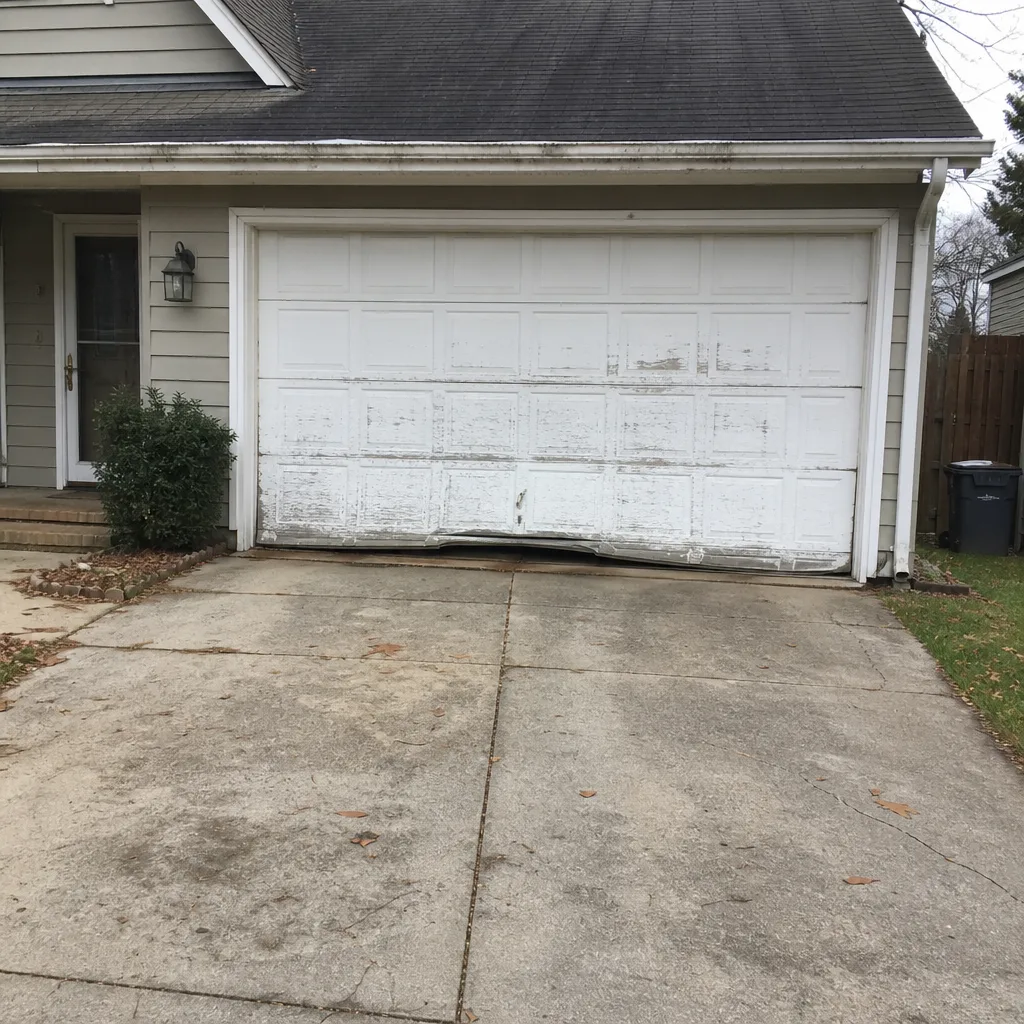 Before
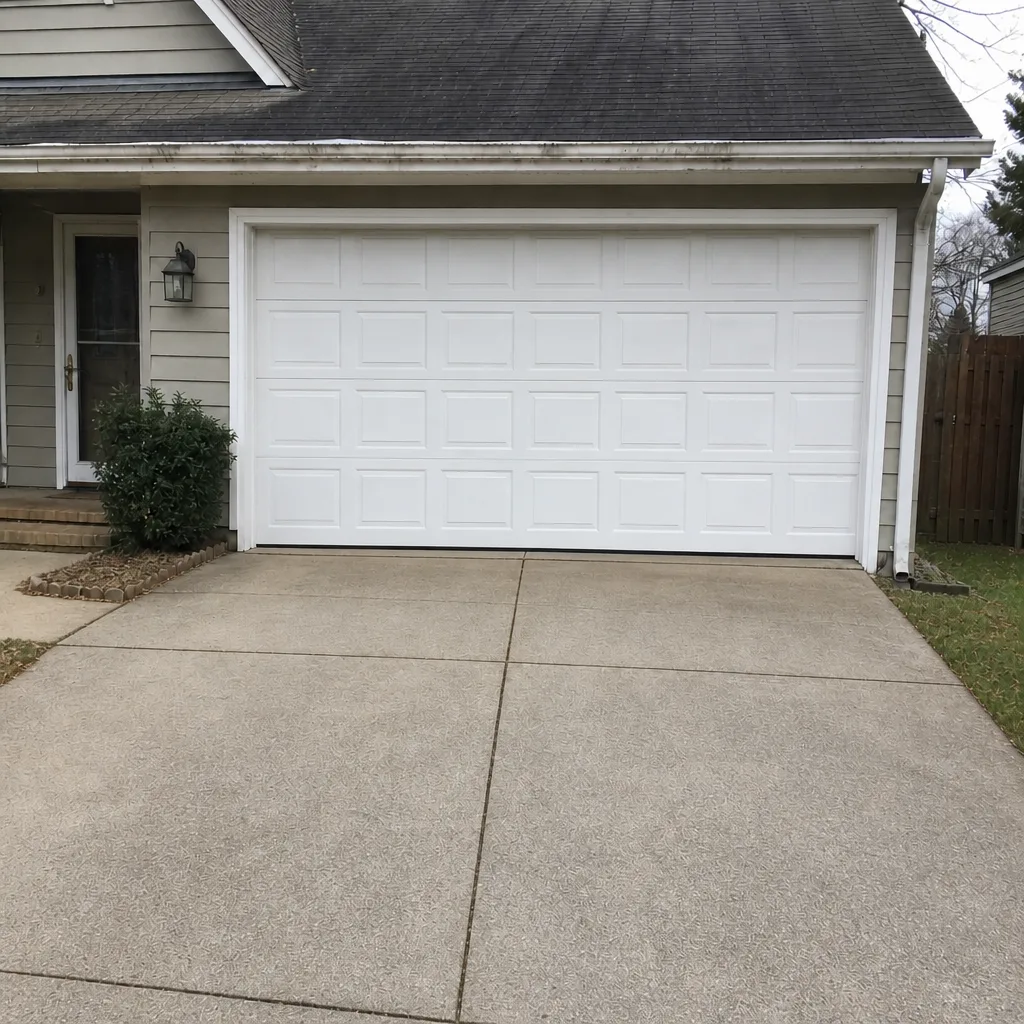 After
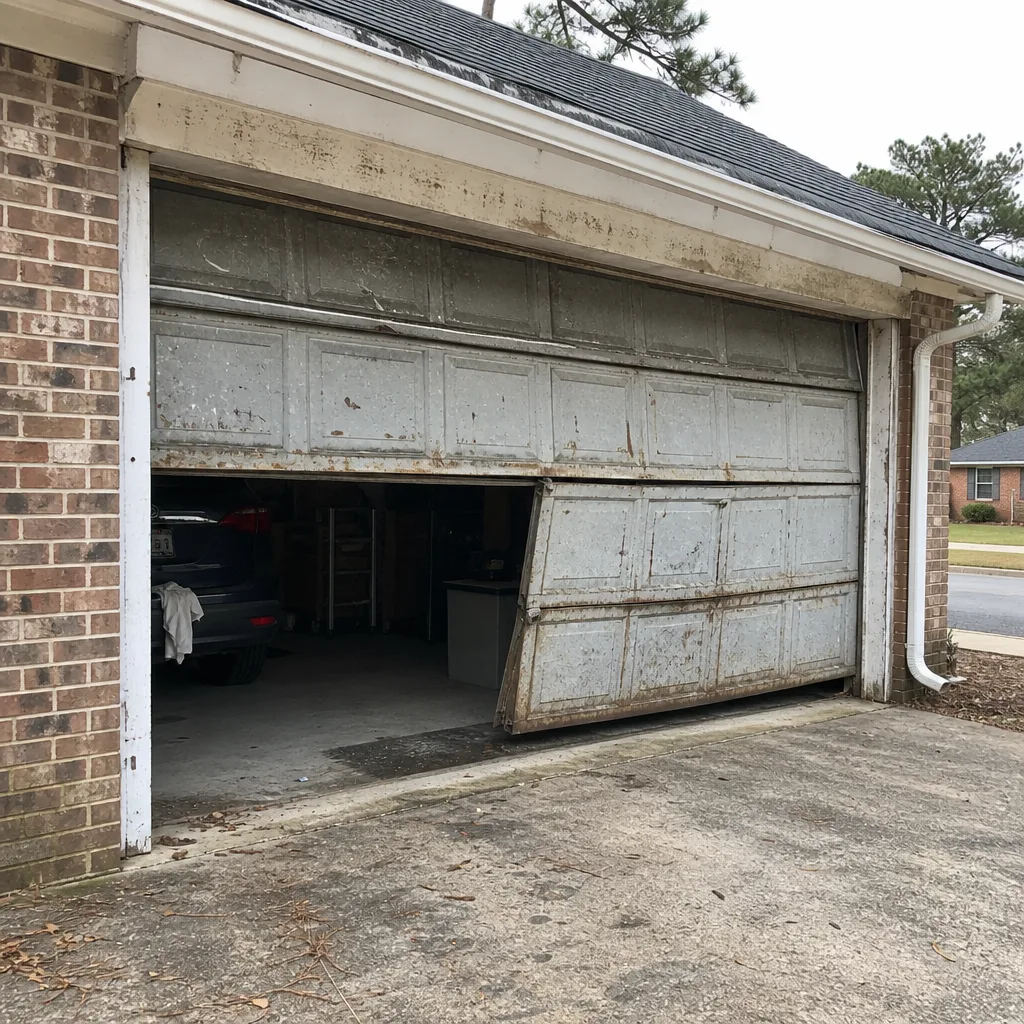 Before
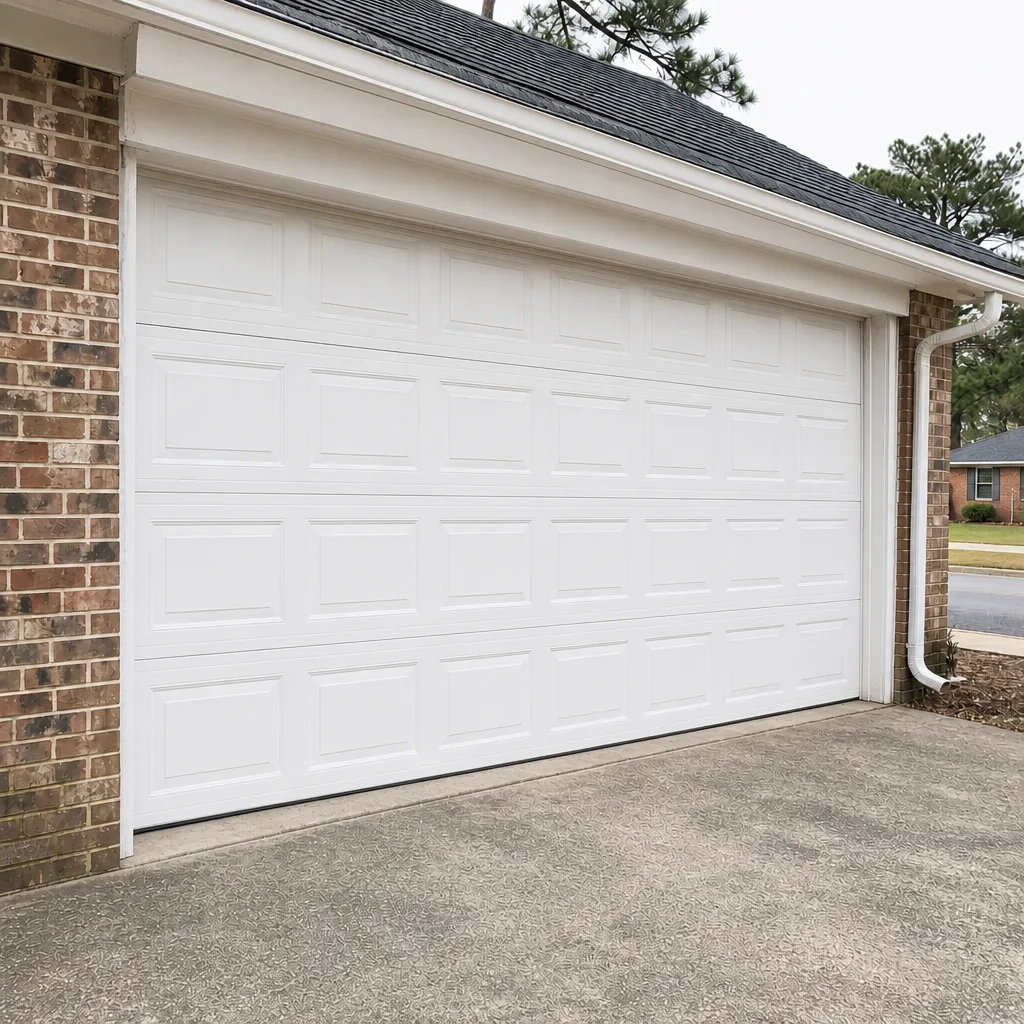 After
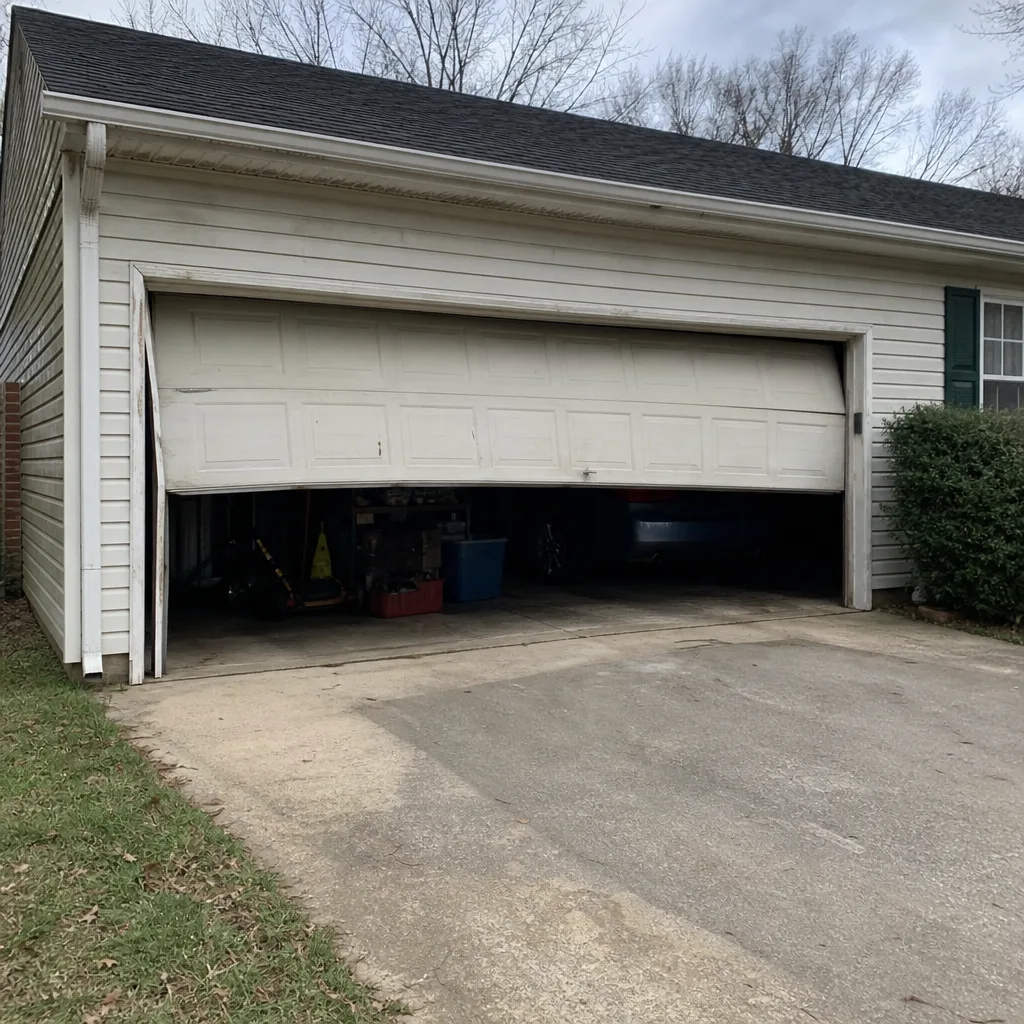 Before
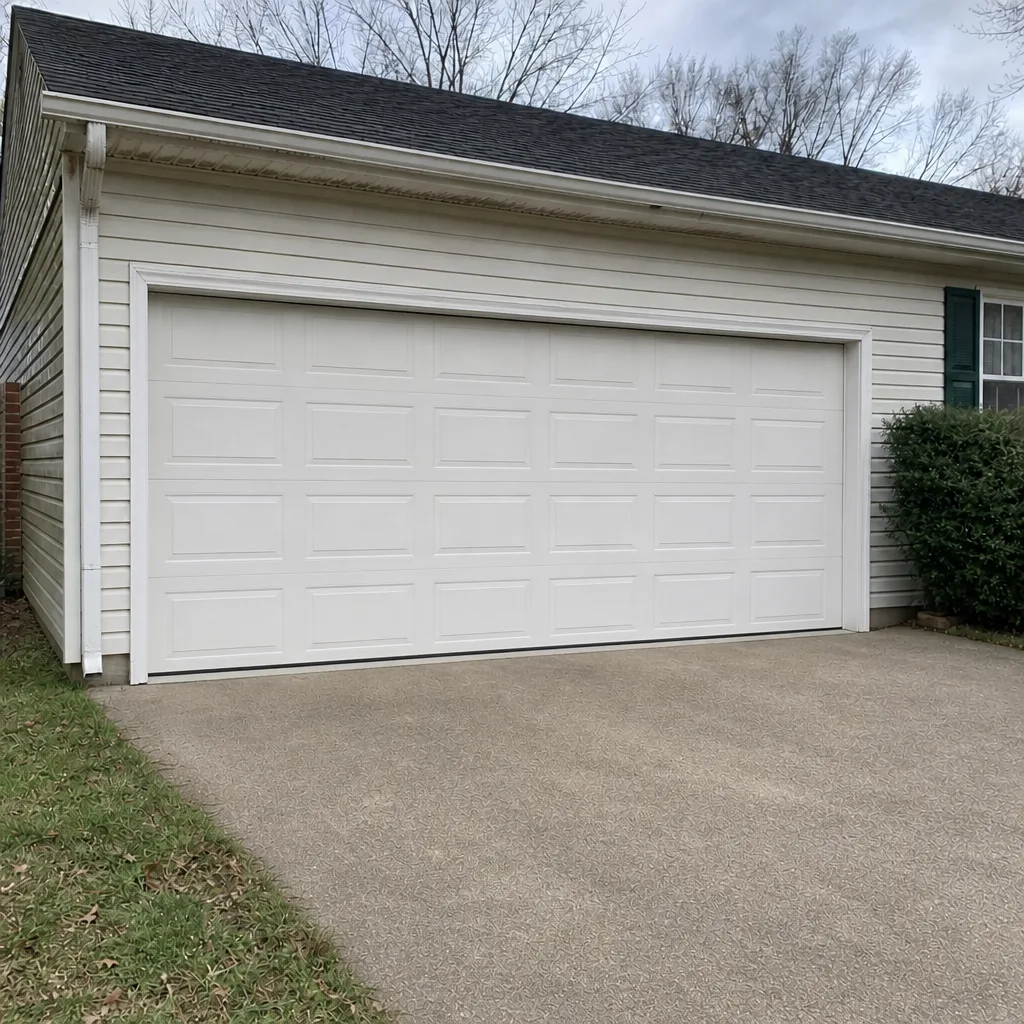 After
When to Call a Professional
Call a professional the moment you spot any of the three stop-use signs – a snapped spring, a frayed or kinked cable, or a door that has dropped or will not stay balanced. Call soon if you see two or more slow-creep signs together: a louder door, a slower close, an opener that reverses for no reason, a seal that no longer touches the floor. And call before the situation reaches the emergency stage if you simply are not sure – a short visit is a fraction of the cost of a door failure. Our technicians have up to 11 years of experience on doors across Newport News, and the assessment visit starts with a free estimate. Newport News Garage Door Repair Pros offers free estimates in Newport News – call (833) 508-9227. We answer 24/7. Fast dispatch from 7am to 7pm, Sunday through Friday.
Frequently Asked Questions
A well-maintained garage door and its spring system typically lasts many years of use, but the “wait until it fails” approach always costs more than the door’s warning signs. The warning signs are the real timeline: a door that has grown louder, slower, or harder to balance is telling you its components are wearing out, regardless of how old the door is. Check the seasonal checklist in this guide twice a year and have the door inspected whenever two or more warning signs appear.
A door that takes noticeably longer to close is a warning sign, not normal aging. The most common cause is fatigue in the torsion springs – as they lose tension, the door gets heavier and the opener works harder. That strain eventually causes the opener to fail. Have the door evaluated before that happens; spring repair is a fraction of the cost of an opener replacement.
Humidity and temperature cycling are the two biggest drivers of safety sensor drift in Newport News. As humidity and temperature swing season to season, the door frame flexes slightly, which can shift a sensor’s aim by just enough to cause intermittent closing failures. The first things to check are alignment and debris in front of the lenses – if the problem returns, have the sensors and door checked by a technician.
No. Torsion and extension springs are under extreme stored tension and have been responsible for serious injuries among homeowners who tried to replace them by hand. Garage door spring repair is a repair we do every day and one most general handymen decline, for good reason. Please do not attempt it. Call us and a specialist will handle it safely.
No – we service LiftMaster, Chamberlain, Genie, Clopay, Amarr, Wayne Dalton, Craftsman, and Raynor equipment, so you do not need to hunt down a brand-specific specialist. We work on the brand already on your door, not the one we prefer to sell. Call (833) 508-9227 and we’ll schedule an assessment that starts with a free estimate.
No. The written estimate you receive before any work begins sets the final price for the job. We quote the work, you agree to it in writing, and that price is the price – no surprises on the invoice. If we discover something that requires more work than the estimate covered, we will tell you and get your agreement before we go further.
The Bottom Line
Garage door failures leave a paper trail, and the skill that saves Newport News homeowners the most money is simply paying attention to that trail. Louder doors, slower closes, new sounds, gaps at the bottom, temperamental sensors, doors that no longer hold their position – these are all warning signs of specific mechanical failures in progress, and the cost of fixing them early is a fraction of the cost of fixing them after a full breakdown. Three signs mean stop the door entirely: a snapped spring, a frayed or kinked cable, and a door that has dropped or will not stay balanced. If you run the seasonal checklist and find more than one warning sign, book an inspection early. Our promise is simple: a free estimate, a written price agreed before we begin, and a specialist’s eye on the largest moving part of your home. Call (833) 508-9227. We answer 24/7. Fast dispatch from 7am to 7pm, Sunday through Friday.
Written by the team at Newport News Garage Door Repair Pros.