
Last updated November 22, 2026
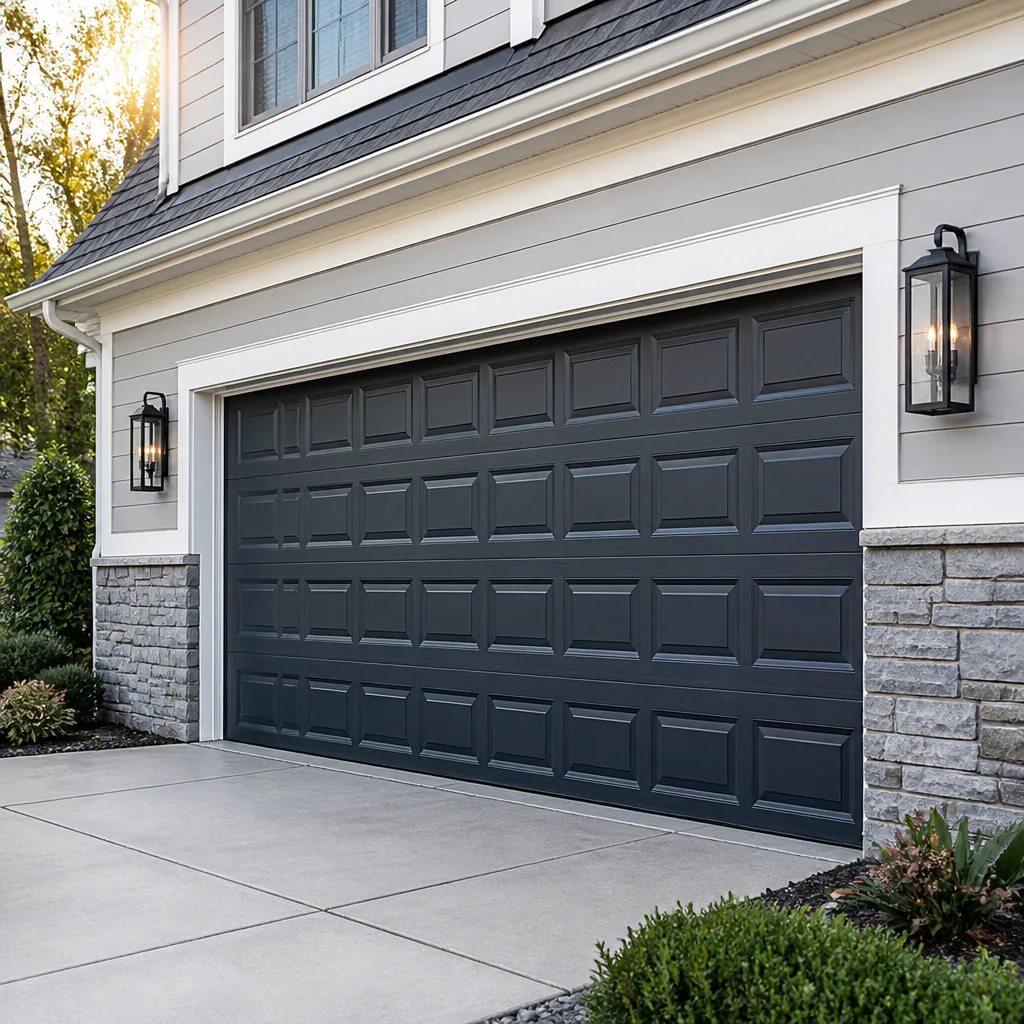 Raised-panel steel
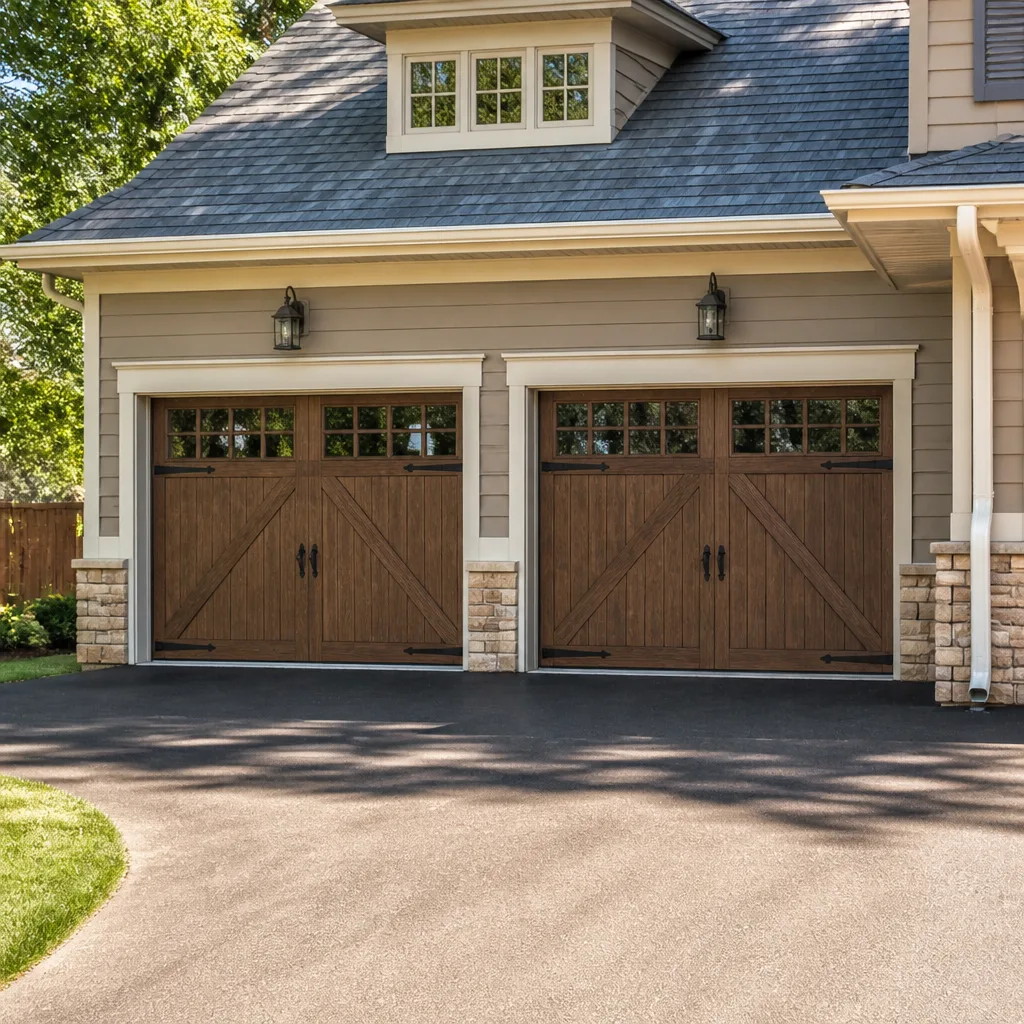 Carriage house
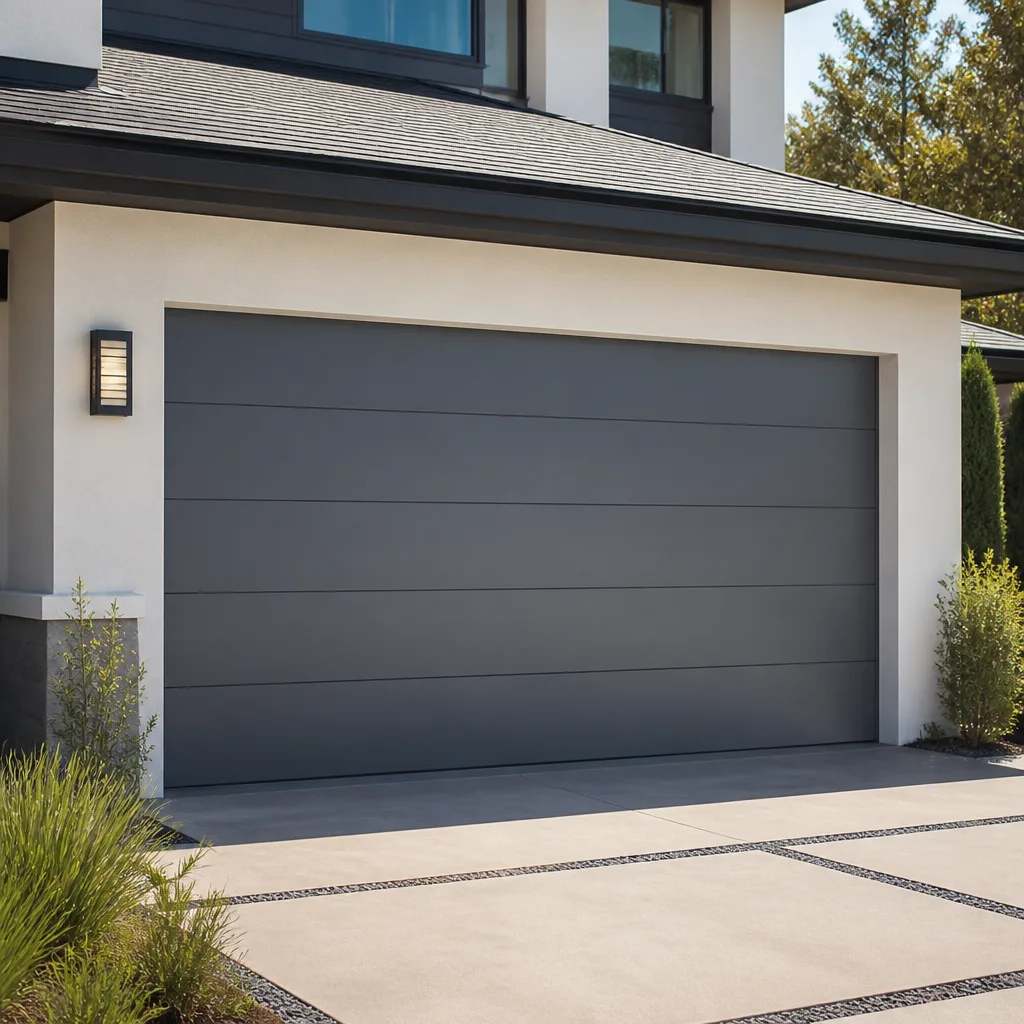 Modern flush
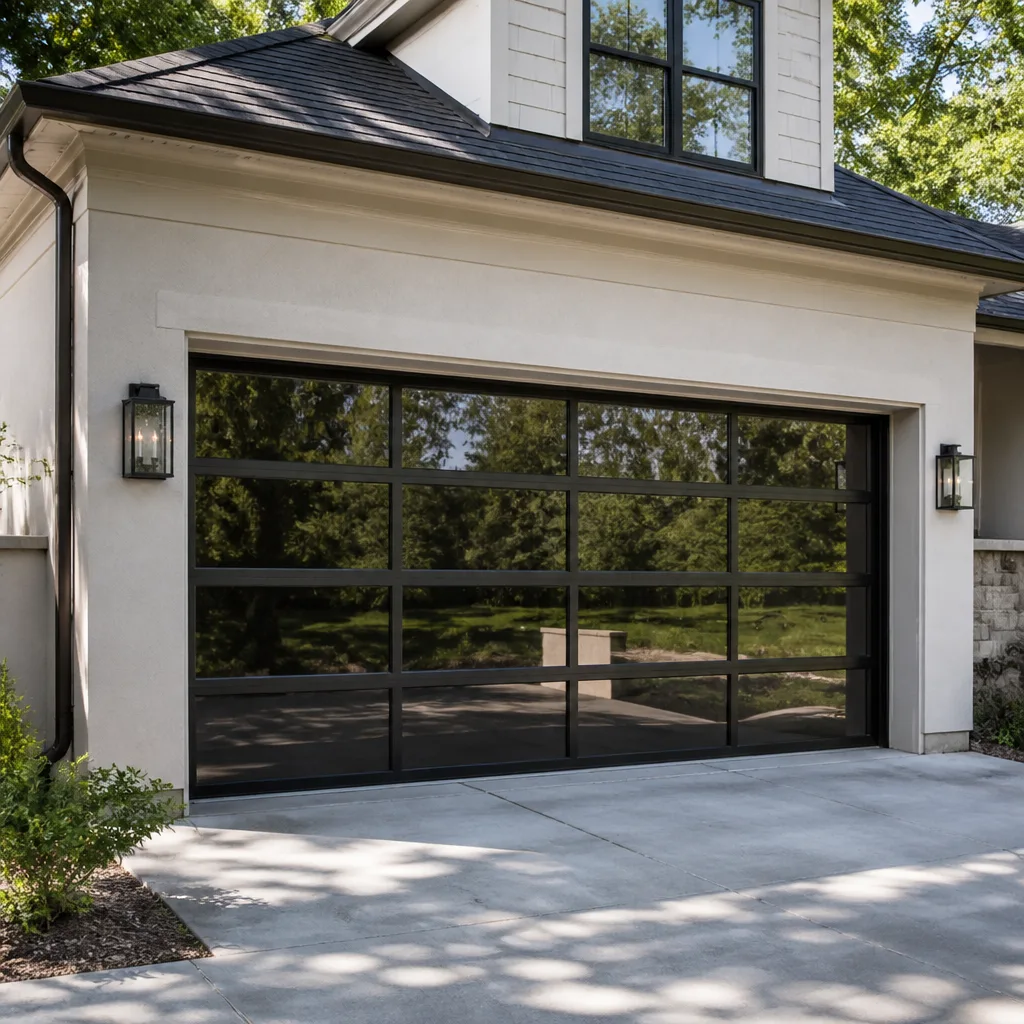 Full-view glass
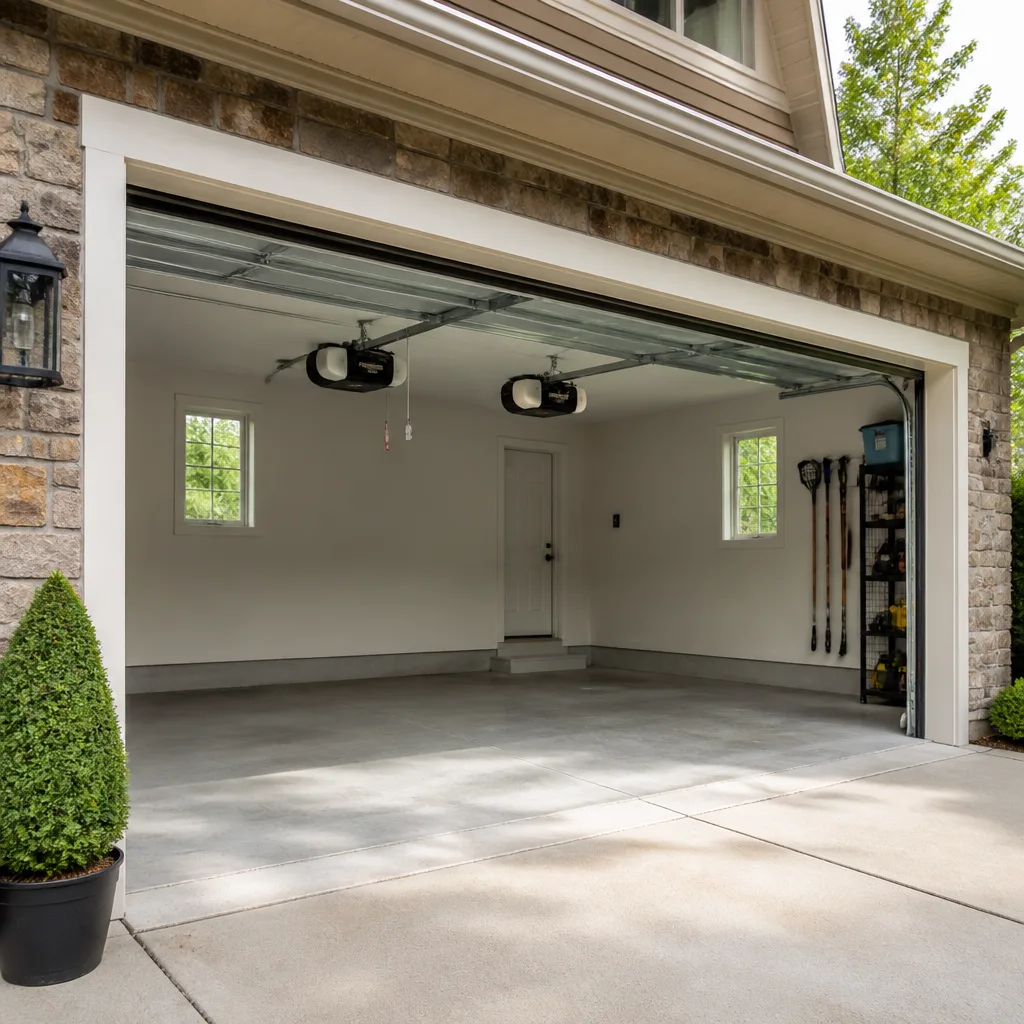 LiftMaster openers
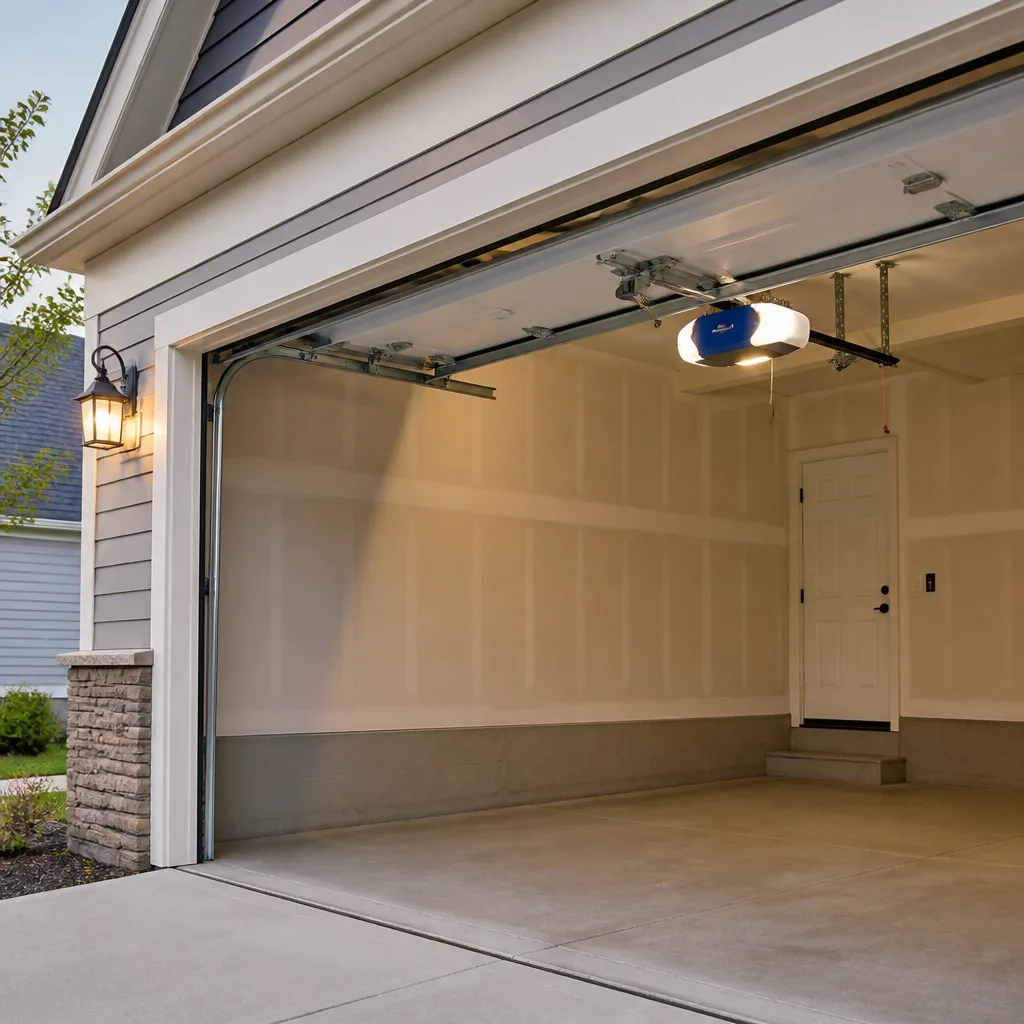 Chamberlain openers
Full 25-point door and opener safety check with every visit - springs, cables, rollers, tracks, and your LiftMaster or Chamberlain opener included
You get a price before we start. It does not change when the pro arrives.
Get your free estimateSeasonal Garage Door Care for Newport News: Year-Round Homeowner’s Guide
Most seasonal garage door guides are written for a place with four tidy seasons. Newport News doesn’t have those. It has a long sticky stretch from May into September, a storm window that runs from roughly June through November, a freeze risk that shows up on only about 10 days a year, and a spring pollen assault that coats every horizontal surface in Hampton Roads. Each one breaks garage doors in a different way, and a generic “winterize it in fall” checklist misses all of it. In this guide we’ll walk through what actually happens to your door in each Newport News season, the specific checks that prevent the failures we see most, and a month-by-month calendar you can keep on the fridge.
Quick Answer
Seasonal garage door care in Newport News means preparing for humidity and pollen more than snow: clean and lubricate tracks and rollers before summer, check seals and hardware before hurricane season, and protect the bottom seal before the brief freeze window in January and February. Inspect the door’s balance, seals, and hardware four times a year, and never touch the springs or cables yourself. A door that gets this routine care lasts longer and fails less often than one that only gets attention when something breaks.
Styles & brands we work with
- Raised-panel steel
- Carriage house
- Modern flush
- Full-view glass
- LiftMaster openers
- Chamberlain openers
Table of Contents
- Why Newport News Garage Doors Fail Differently
- Spring: Pollen, Grit, and the Cleaning Sequence That Saves Your Tracks
- Pre-Hurricane Season Checklist for Newport News Doors
- Summer Humidity Protocol: Rust, Seals, and Opener Electronics
- The Narrow Freeze Window: What to Do When the Seal Sticks
- Month-by-Month Care Calendar for Newport News ZIP Codes
- The Once-a-Year Professional Inspection
- Common Mistakes to Avoid
- When to Call a Professional
- Frequently Asked Questions
Why Newport News Garage Doors Fail Differently
Newport News sits in a stretch of Virginia where the seasons aren’t evenly spaced. The humid season is long, the storm window is real, the freeze risk is brief but sharp, and spring brings a heavy load of airborne grit from the trees and shrubs across Hampton Roads. That imbalance matters because garage doors are built to handle moving parts and weather, but they handle it best when conditions change gradually. Here, they don’t.
Consider what each season actually does to the door:
- Spring: pollen, grit, and fine debris settle into tracks and rollers, and the door runs harder for weeks before anyone notices.
- Summer: humidity works on bare metal in the tracks and on the door’s bottom seal, while heat stresses opener circuit boards and lubricant films thin out.
- Hurricane season: wind pressure tests every fastener, hinge, and bracket on the door, and an unreinforced door can fail long before the wind reaches its rated limit.
- Winter: the freeze is short, but when it hits, a bottom seal can bond to a cold concrete floor, and forcing the door open can tear the seal or strain the opener.
Our technicians have up to 11 years of experience working in this climate, and the pattern is consistent: doors in Newport News that get four touchpoints a year – two cleaning passes and two hardware checks – simply last longer than doors that only get attention when something breaks. That’s the logic behind everything in this guide. If you’re already dealing with a door that won’t move, our Newport News Garage Door Repair Pros team can help, but the goal here is to keep that call from happening on a bad day.
Spring: Pollen, Grit, and the Cleaning Sequence That Saves Your Tracks
Spring in Newport News is the season most homeowners underestimate. The pollen and fine grit that blow across Hampton Roads settle into the track channels and the roller assemblies, and a door that ran quietly in February starts to grind by April. That grit acts like sandpaper on the rollers and the hinge pivots, and it’s the leading cause of the “my door got loud” complaint we hear every spring.
The fix is a cleaning sequence, and the order matters. If you wipe down the tracks before blowing out the debris, you push grit deeper into the channels. Do it in this order:
- Blow out the tracks first. Use a leaf blower or compressed air to clear loose pollen and grit from the vertical and horizontal track channels.
- Wipe the channels with a damp cloth. A rag with a little mild soap and water is enough. Don’t use solvents that strip the factory finish.
- Clean the rollers with a dry cloth. Don’t soak them. Wipe the surface and let them dry.
- Lubricate the moving parts. A garage-door-specific lubricant on the hinges, roller bearings, and the torsion spring coils (not the track surface itself) keeps everything moving smoothly.
- Wipe the door panels and bottom seal. A mild soap solution removes pollen film that holds moisture against the seal and the finish.
Repeat the cleaning pass in late spring and again in early summer if the pollen count has been high. We’ve seen doors in neighborhoods like Denbigh and Hidenwood quiet down dramatically after a single proper cleaning and lube pass. If your door is already grinding after the cleaning, the rollers may be worn out, and that’s a repair job worth doing before it damages the tracks. If you’re not sure of the cause, a call to our garage door repair team gets you a straight answer.
Pre-Hurricane Season Checklist for Newport News Doors
Hurricane season runs from June through November, and Newport News is squarely in the window where a strong storm system can push through. Whether your door is rated for high wind or not, the pre-season check is the same: find the weak points before the wind does. A garage door is your home’s largest moving part, and on a wind-rated door it’s also part of the building’s pressure envelope.
Some doors are rated for wind speeds of 110 mph or more, and those ratings depend on specific reinforcement hardware being correctly installed. If you don’t know whether your door is rated, look for a rating label on the door or ask the manufacturer. A non-rated door can still be braced, but it needs the right parts, not improvised lumber. Here’s the checklist we run in the weeks before storm season:
- Check the hinges and brackets. Every hinge should be tight, and no bracket should be loose or bent. A loose bracket is the first thing that fails in wind.
- Inspect the track alignment. Tracks should be straight and firmly anchored. A track that’s pulled loose from the wall is a structural weak point.
- Confirm the door’s wind rating. If it’s rated for high wind, confirm that the reinforcement struts and brackets the manufacturer calls for are actually in place.
- Check the bottom seal and the perimeter. A torn seal lets wind-driven rain under the door, and a deteriorated seal is worth replacing before storm season starts.
- Test the opener’s safety reverse. A door that won’t reverse on contact with an obstruction isn’t safe to run, storm or no storm.
- Clear the area around the door. Anything stored near the tracks or the door panel can become a projectile in high wind.
If your door is old enough that you’re not sure it’s rated, or if the hardware is showing its age, it may be time to talk about a replacement. We handle garage door installation and can walk you through the wind-rated options for your situation, without pushing a brand that doesn’t fit your door or your budget.
Summer Humidity Protocol: Rust, Seals, and Opener Electronics
July through September in Newport News is the hardest stretch on your garage door, and it’s not the heat – it’s the humidity. Moisture in the air works on three specific parts of the system: the bare metal in the tracks, the rubber seals, and the opener’s electronics. Each one fails differently, and each one has a routine that prevents the problem.
Tracks and Hardware
Bare steel track and door hardware can develop surface rust in a humid garage, especially if the garage isn’t ventilated. A light film of garage-door lubricant on the hinges and rollers keeps moisture off the metal, and a wipe-down of the track channels every month or two during the humid season keeps rust from starting there. If you already see rust spots, treat them before they pit. Pitted rollers and hinge pivots are the rollers that fail.
Seals
The rubber bottom seal and the weatherstripping around the door frame take the brunt of the humidity. A seal that stays damp can soften, crack, and lose its shape, and a seal that’s lost its shape lets water and pests in. Check the bottom seal for cracks or compression every month during the humid season, and replace it if it’s failing. This is an inexpensive part that protects the rest of the door.
Opener Electronics
Humidity plus heat is hard on opener circuit boards, and a garage that isn’t ventilated holds both. If your opener is a LiftMaster or Chamberlain unit (two of the brands we’re trained to service), keep the vents on the housing clear and avoid storing damp items against the unit. If the opener starts behaving oddly – random reversals, lights that don’t respond, or a remote that works only up close – the circuit board may be the culprit. That’s a job for our garage door opener repair team, not a DIY fix.
The Narrow Freeze Window: What to Do When the Seal Sticks
Newport News averages only about 10 days a year below freezing, and that short window is exactly why freeze-related failures catch homeowners off guard. Most people never prepare for a cold snap because it feels rare, but when it hits, it hits fast, and a bottom seal that bonds to a cold concrete floor is the most common result. The good news: a stuck seal is usually easy to handle if you don’t force it. The bad news: forcing it is exactly what most people do.
Here’s what to do when the door won’t lift in the morning after a freeze:
- Stop the opener. Don’t let it strain against the stuck seal. Release the opener and stop pulling.
- Break the seal loose by hand. Run a hand or a plastic scraper along the bottom edge of the seal to separate it from the floor. Warm water along the seal helps.
- Don’t force the door up with the opener. The opener isn’t built to break a stuck seal, and you can strip the gears or burn out the motor.
- Inspect the seal after the thaw. If it’s cracked or torn from the freeze, replace it before the next cold snap.
What not to do: don’t pour hot water directly on the seal (it can warp the rubber), don’t chip at the ice or the seal with a metal tool, and don’t cycle the opener repeatedly to try to break the seal loose. If you have a freeze coming and you know your seal has been sticking, a quick wipe of the bottom seal with a silicone-based lubricant before the cold arrives helps on the next cold morning. For doors that need a new seal or a hardware check before winter, we can get you set up.
Month-by-Month Care Calendar for Newport News ZIP Codes
If you want a routine you can actually keep, this is it. It’s built for the specific climate pattern in Newport News, not a generic mid-Atlantic schedule. Print it, stick it on the inside of the garage door, and follow it.
- January and February: Watch the forecast for freeze nights. Break the seal loose by hand if it sticks. Check the bottom seal for cracks after any freeze. Test the opener’s safety reverse.
- March: Spring cleaning pass. Blow out the tracks, wipe the rollers, and lubricate hinges and rollers. Check the bottom seal for winter damage.
- April: Second pollen cleaning pass. Inspect rollers for grit wear. Look at the door’s balance: if it won’t hold partway open, the springs may need attention.
- May: Pre-hurricane season check. Tighten hinges and brackets, confirm the track is anchored, check the wind rating if you have one, and inspect the perimeter seal.
- June: Start the humidity protocol. Wipe the tracks, inspect the opener vents, and check the bottom seal for softening.
- July and August: Peak humidity. Monthly seal check, light lubricant on hinges and rollers, and watch the opener for odd behavior. Clear the area around the door.
- September: End-of-season storm check. Confirm hardware is tight and the bottom seal is intact before the fall storms arrive.
- October and November: Cool-down inspection. Clean the tracks, re-lubricate the moving parts, and have the door’s balance and springs checked before winter.
- December: Pre-freeze check. Apply silicone lubricant to the bottom seal, test the safety reverse, and confirm the opener is running smoothly.
This calendar works in any Newport News ZIP code, from the older neighborhoods near downtown to newer construction out toward Port Warwick. The tasks are the same; only the timing shifts if a heat wave or cold snap arrives early.
The Once-a-Year Professional Inspection
You can handle the cleaning, lubrication, and visual checks in this guide. What you shouldn’t handle is the inspection of the springs, cables, and the door’s balance. Those are the parts that cause serious injury when they fail, and they’re the parts a trained technician can evaluate in a few minutes. Our technicians have up to 11 years of experience, and an annual inspection is the one maintenance task we’d never suggest skipping.
A proper inspection covers:
- Spring tension and cable condition (never a DIY check)
- Door balance and alignment
- Hinge, roller, and bracket condition
- Track alignment and anchor points
- Bottom seal and perimeter weatherstripping
- Opener force settings and safety reverse
- Overall hardware tightness and wear
If your door is a brand we service – Craftsman, Raynor, LiftMaster, Chamberlain, and others – the inspection covers that system specifically, since we’re trained on eight of the industry’s most widely installed brands. The annual inspection is also the right time to catch a worn spring or a tired opener before it fails and strands you. Spring repair in particular is a product we take seriously: it’s a high-risk repair most general handymen decline, and it’s one we do every day. When you’re ready to book, call (833) 508-9227 for a free estimate. We answer 24/7, and fast dispatch runs from 7am to 7pm, Sunday through Friday.
Common Mistakes to Avoid
We’ve seen the same handful of mistakes turn a small seasonal issue into a full repair. Here’s what to avoid, with the Newport News-specific reasons each one matters.
- Waiting until something breaks. A door that runs fine in February can be grinding by April once the spring pollen and grit have worked into the rollers. Two cleaning passes a year prevent this entirely.
- Forcing a door that’s stuck after a freeze. Newport News doesn’t freeze often, but when it does, the bottom seal can bond to the concrete. Cycling the opener against a stuck seal can strip gears or burn out the motor. Break the seal by hand first.
- Skipping the pre-hurricane hardware check. A loose hinge or bracket is the first thing that fails in high wind. Storm season in Newport News runs June through November, and the check takes fifteen minutes in May.
- Oiling the track surface. Lubricant on the track attracts grit and makes the rollers slip. Lubricate the hinges, rollers, and spring coils instead, and keep the track channels clean and dry.
- Ignoring a damp bottom seal. During the humid summer, a seal that stays wet softens and cracks. Check it monthly from July through September and replace it when it fails.
- Assuming the door is rated for wind because it’s new. A door’s wind rating depends on specific reinforcement hardware being correctly installed. If you don’t know whether your door is rated for 110+ mph winds, find out before storm season, not during it.
- DIY spring or cable work. High-tension springs and cables store enormous energy, and they can cause serious injury if handled without the right tools and training. Leave that work to a specialist.
When to Call a Professional
Some seasonal issues are DIY: cleaning tracks, lubricating hinges, wiping down the bottom seal, and testing the opener’s safety reverse. Others aren’t. Call us when your door won’t move at all, when it’s grinding or screeching after a cleaning, when a spring or cable looks damaged, when the opener reverses randomly or won’t respond, or when a freeze or storm has knocked the door out of alignment. If you’re not sure whether a noise or a wobble is normal, that’s a call worth making too – a quick look now can head off a repair later.
Newport News Garage Door Repair Pros offers free estimates in Newport News – call (833) 508-9227. We answer 24/7. Fast dispatch from 7am to 7pm, Sunday through Friday. The price is quoted and agreed before any work starts, and the written estimate sets the final price.
Frequently Asked Questions
Once a year by a professional, plus two or three cleaning passes of the tracks and rollers during the pollen and humidity seasons. The annual professional inspection covers springs, cables, balance, and the opener, which aren’t safe to check yourself. Seasonal cleaning keeps grit and moisture from accelerating wear between inspections.
It does, but the pattern isn’t the one most homeowners expect. Humidity and pollen cause more wear here than cold, and the occasional freeze in January or February can damage a bottom seal that hasn’t been maintained. Preparing for humidity and pollen first, and the brief freeze second, is the right order of priorities in Newport News.
You can clean the tracks, wipe the rollers, and lubricate the hinges and rollers safely. What you shouldn’t do is touch the springs or cables, or try to adjust the door’s balance or the opener’s force settings. Those are high-risk jobs that need a trained technician with the right tools.
Stop the opener, release it, and break the seal loose by hand along the bottom edge. Warm water helps. Don’t force the door up with the opener, and don’t chip at the seal with a metal tool. Inspect the seal after the thaw and replace it if it’s cracked.
Only some doors are, and the rating depends on specific reinforcement hardware being correctly installed. Look for a rating label on the door, or ask the manufacturer. If the door is rated for high wind, confirm that the reinforcement is actually in place before storm season. If you’re not sure, a professional inspection can tell you.
Pollen and grit from the spring blooms across Hampton Roads settle into the tracks and rollers and act like sandpaper on the moving parts. A cleaning pass followed by lubrication on the hinges and roller bearings usually quiets things down. If it’s still loud after a proper cleaning, the rollers may be worn and need replacing.
It depends on what’s wrong, which is why we give a written estimate before any work starts. Call (833) 508-9227 for a free estimate – the price you’re quoted is the price you pay, and we don’t add fees after the fact. We answer 24/7, and fast dispatch runs from 7am to 7pm, Sunday through Friday.
Often, yes. Same-day service is part of what we do, and a door that won’t close or won’t open gets priority. Call (833) 508-9227 and let us know what’s happening. We answer 24/7, and fast dispatch runs from 7am to 7pm, Sunday through Friday.
The Bottom Line
Newport News doesn’t hand you four equal seasons, so the usual seasonal checklist doesn’t fit here. Prepare for the long humid stretch and the spring pollen load first, do the pre-hurricane hardware check in May, and keep an eye on the short freeze window in January and February. Clean the tracks and rollers twice a year, lubricate the moving parts, replace a failing bottom seal before it lets water in, and book the annual professional inspection for the springs, cables, and opener. That routine prevents most of the failures we see. When something does break, we’re one call away: (833) 508-9227, for a free estimate.
Written by the team at Newport News Garage Door Repair Pros.
See the difference
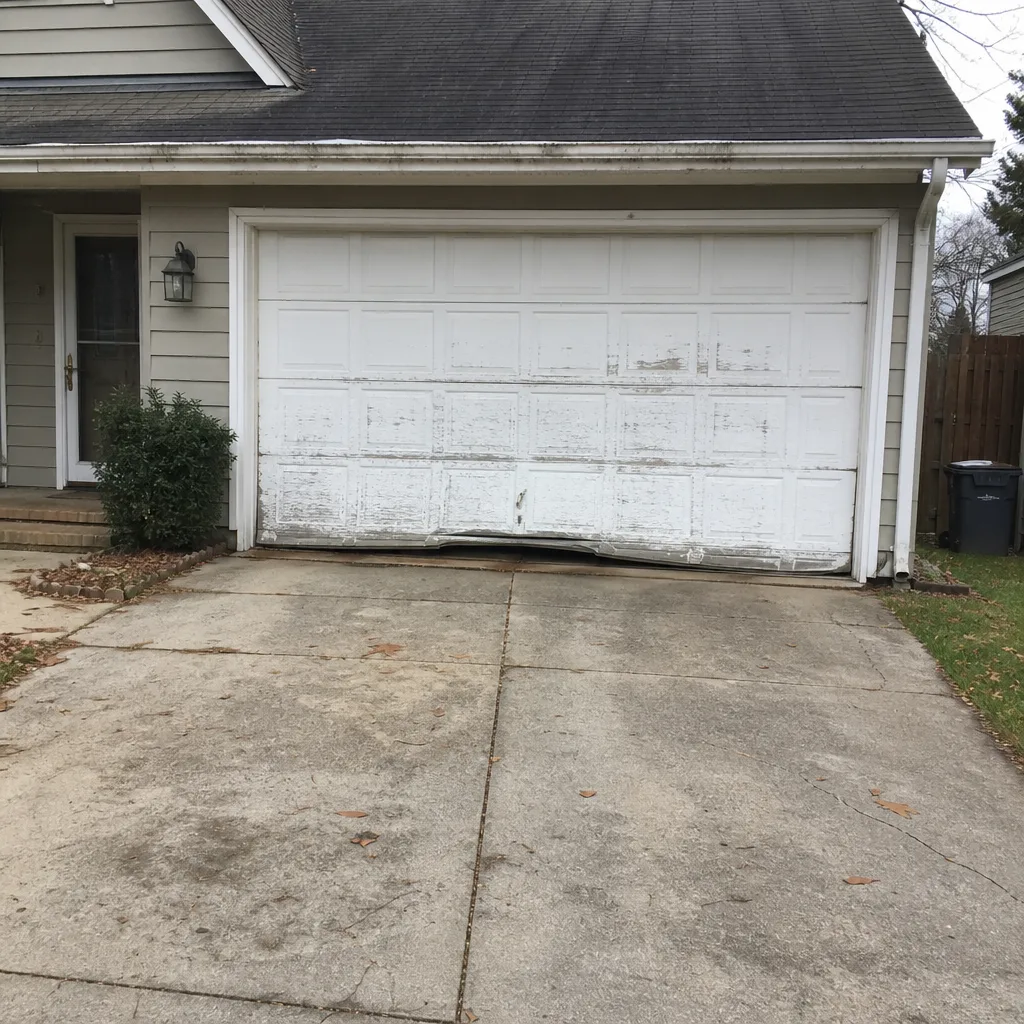 Before
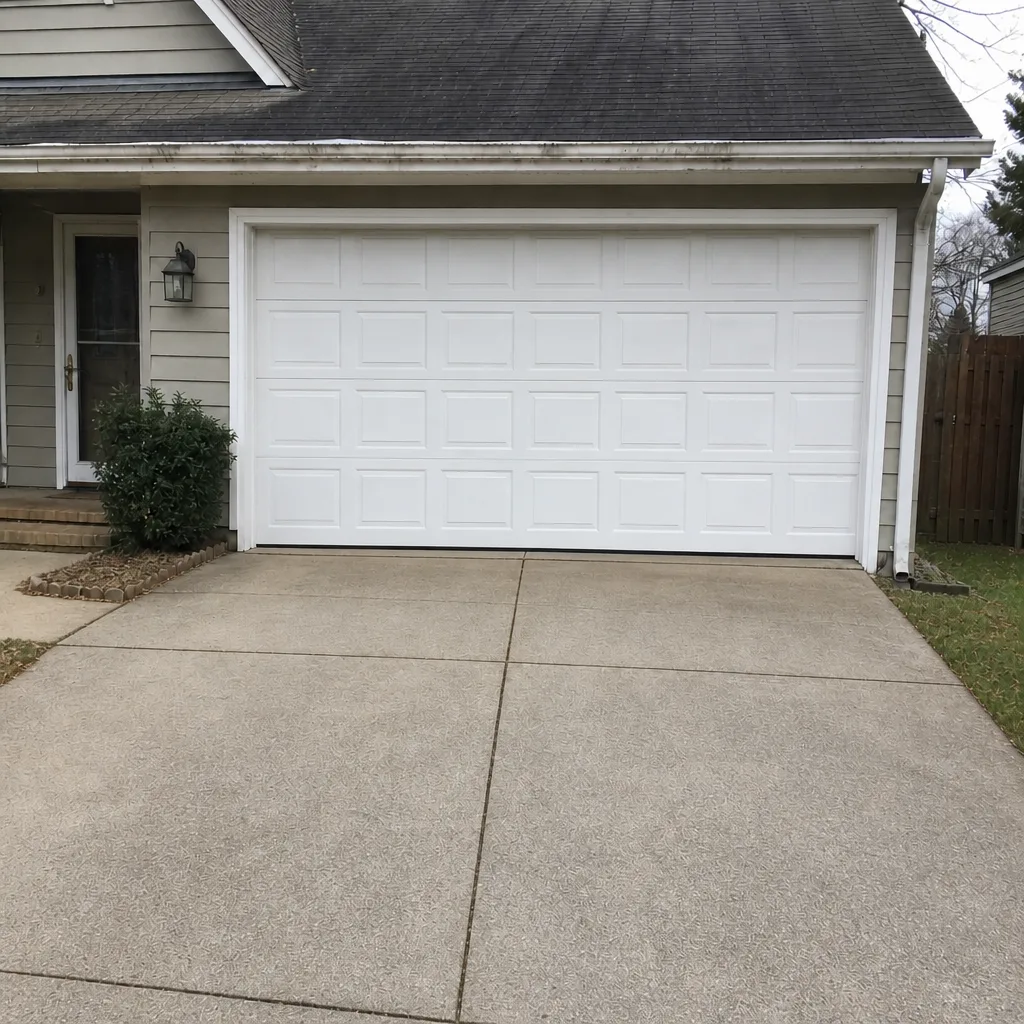 After
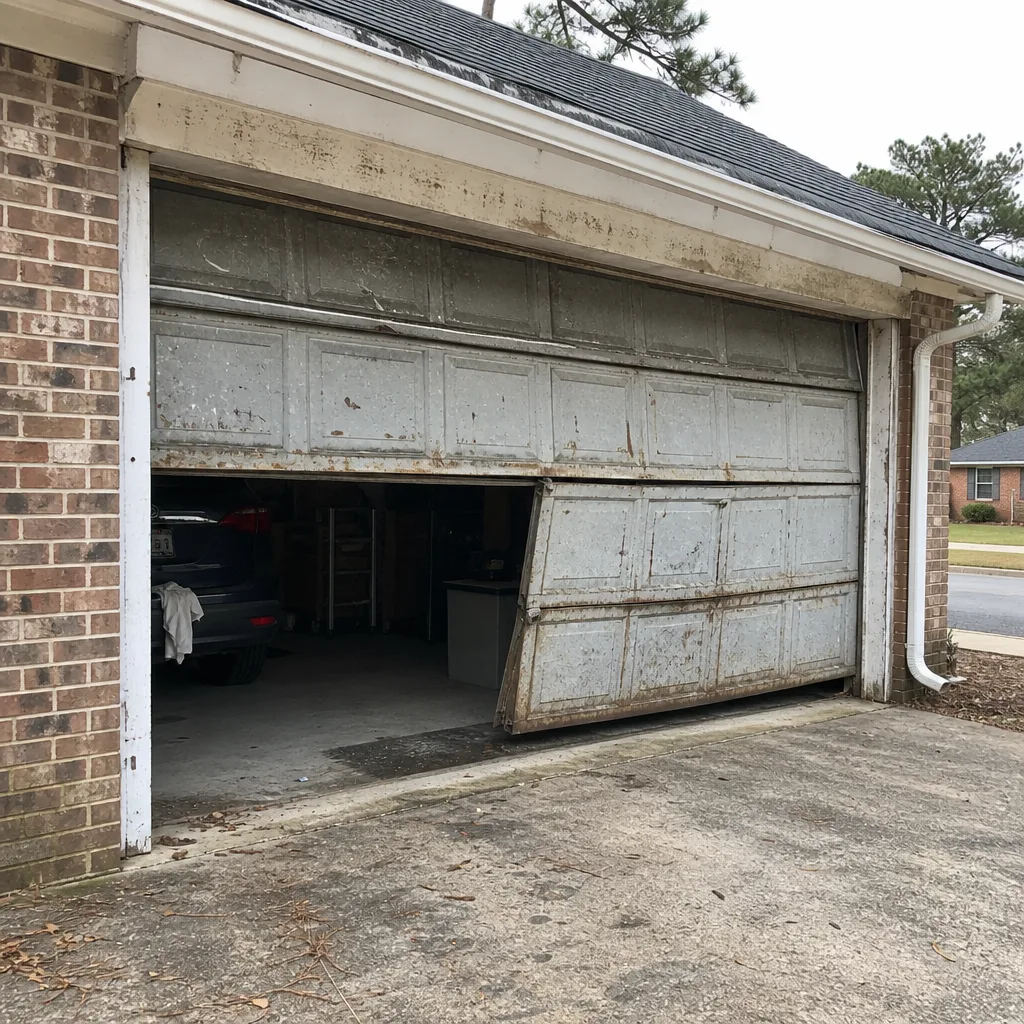 Before
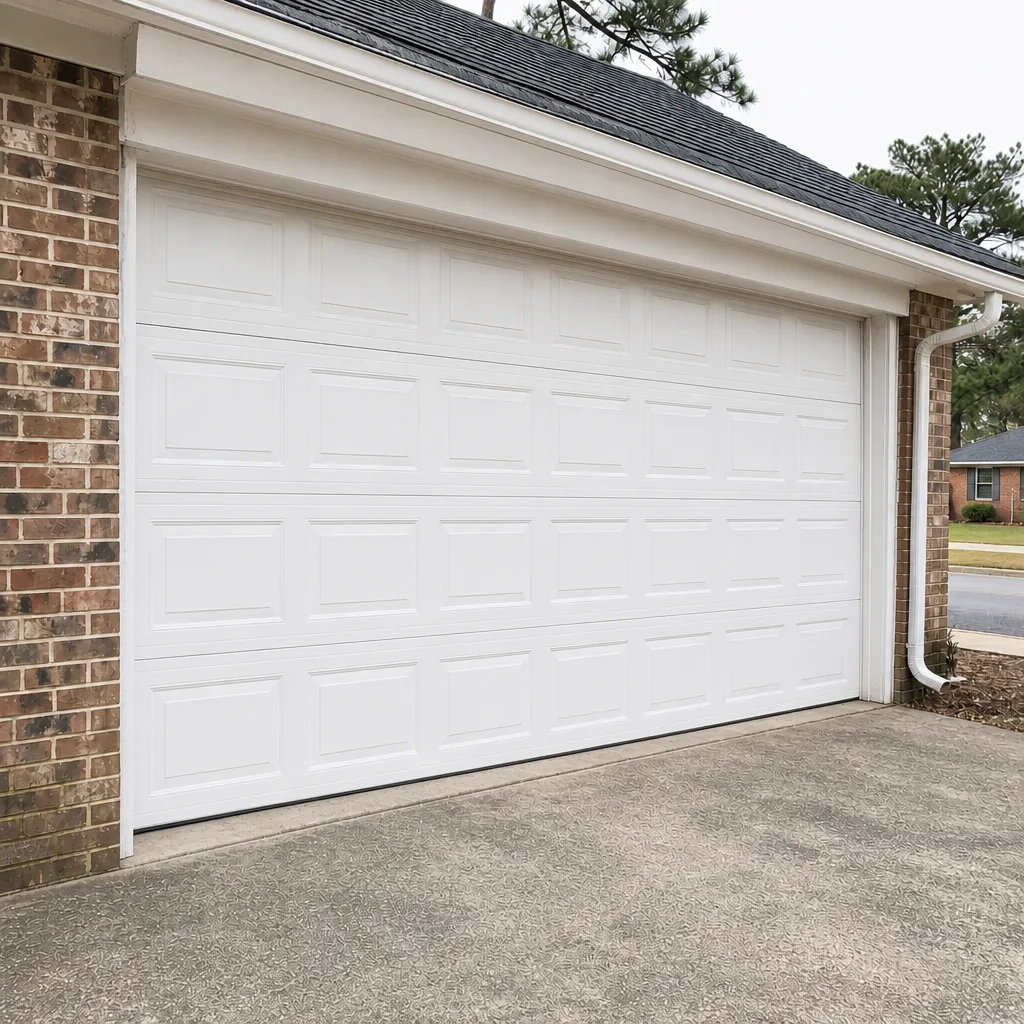 After
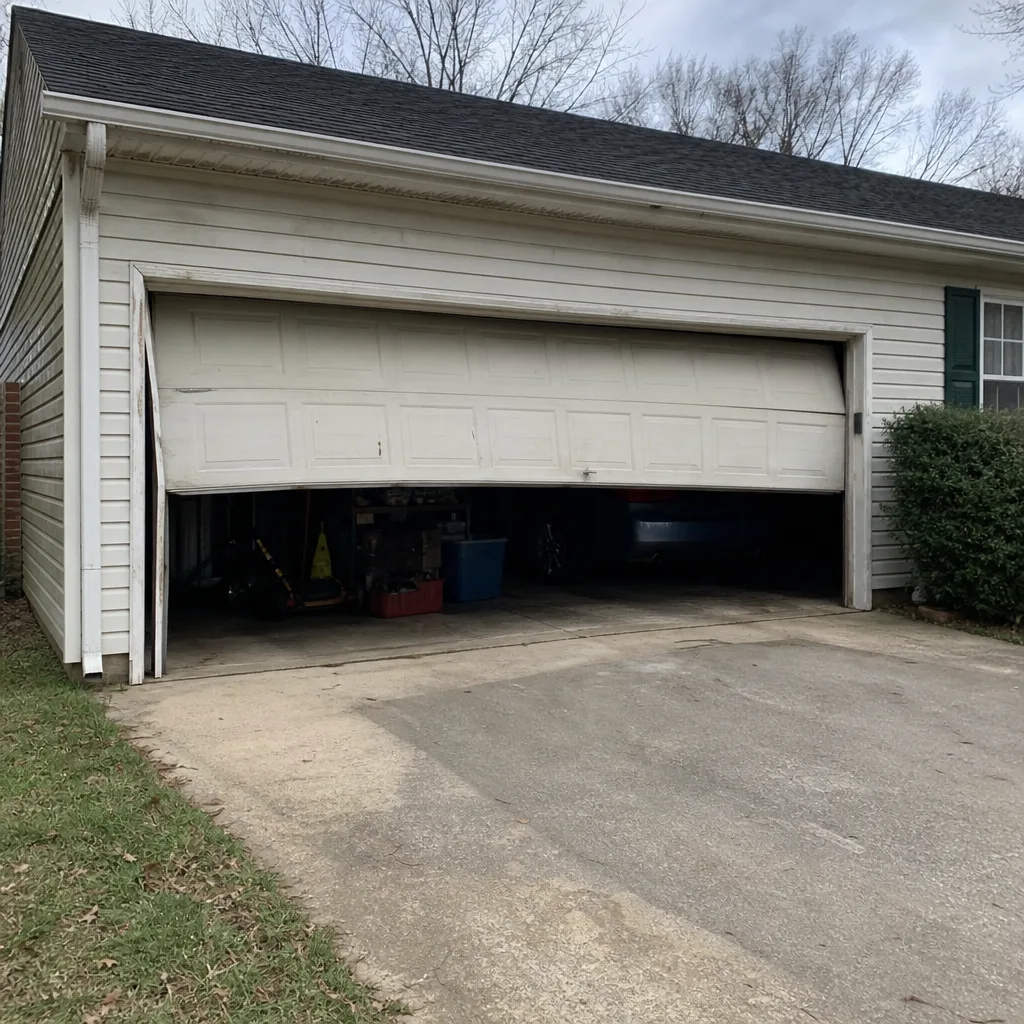 Before
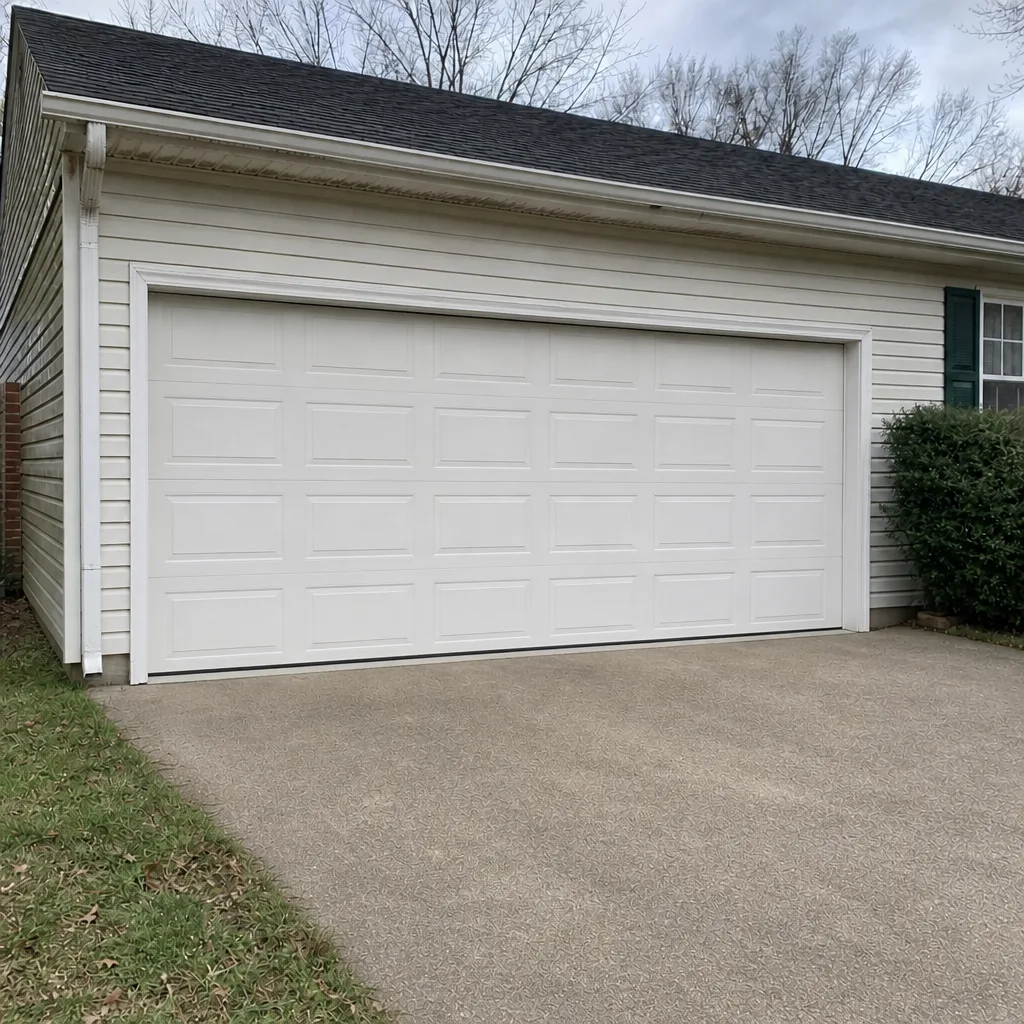 After